

Home > NEWS > Industrial News
When healthcare systems are fragmented, patients suffer worse outcomes while the whole system becomes less efficient. According to the Ponemon Institute from 2023, administrative waste in the US costs around 740 billion dollars every year. A lot of this comes down to problems like data being stuck in separate departments, repeated tests nobody needs, and treatments getting delayed for no good reason. Looking at numbers from the Agency for Healthcare Research and Quality shows something pretty alarming too. Fragmented care actually makes treatment delays last about 18 percent longer. This matters a lot when dealing with chronic diseases. Without proper coordination between doctors who treat physical issues and those handling mental health concerns, we see more people ending up back in hospitals unnecessarily, sometimes even multiple times within short periods.
Integrated health solutions rest on four interdependent pillars:
Together, these elements form a continuous care ecosystem. Health Affairs (2023) found such integration reduces total cost of care by 23% in value-based contracts–demonstrating how structural alignment drives measurable clinical and financial impact.
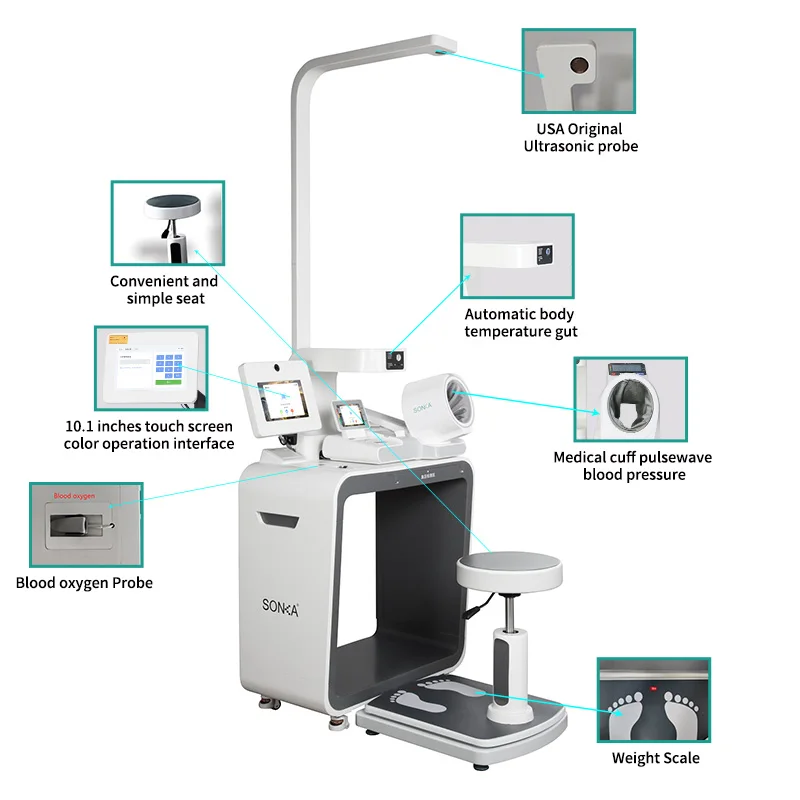
When we talk about interoperability in healthcare, we're not just discussing theory - it's actually making a real difference on the ground. The numbers tell a story too: hospitals lose around $740k each year because of bad data sharing between systems according to Ponemon Institute research from last year. That money goes towards repeat tests and slower decisions that affect patient care. Now when facilities adopt FHIR R4 standards, they start seeing improvements right away. Electronic health records finally work with those RPM devices patients wear at home plus all those behavioral health apps doctors recommend. Doctors can check blood pressure readings, look through therapy session notes, track if someone is taking their meds regularly, even see sleep quality patterns - everything fits into what they already do day to day. Some long term research indicates these connected systems reduce time spent figuring out diagnoses by about 30 percent. Instead of dealing with scattered pieces of information, clinicians get full stories about their patients' health journeys.
AI transforms interoperable data into intelligent action. When fed integrated, high-fidelity datasets, machine learning models deliver three core improvements:
| Interoperability Challenge | AI-Enabled Solution | Impact |
|---|---|---|
| Siloed data sources | Unified analytics dashboards | 22% faster treatment decisions |
| Inconsistent risk scoring | Predictive modeling | 17% reduction in hospital readmissions |
| Manual care coordination | Automated pathway triggers | 35% clinician workload reduction |
Interoperability provides the fuel; AI supplies the engine. Neither delivers full value in isolation–yet together, they redefine care from reactive to predictive, and from generalized to truly personalized.
The CMS reimbursement changes for 2026 represent something pretty big actually: remote patient monitoring (RPM) isn't just a stopgap measure anymore during emergencies. Now it's being seen as real infrastructure that helps manage chronic diseases over time. With this official recognition comes faster adoption of comprehensive RPM systems. These include FDA approved wearable devices, electronic health records that work with FHIR standards, plus automated alerts based on certain rules. All these pieces come together to help patients dealing with conditions like heart failure, diabetes, and COPD. Looking at Medicare data from 2025 reveals something interesting too. Programs using these technologies cut down on unnecessary hospital stays by about 17 percent. But what matters even more than numbers is how things are changing fundamentally. Instead of just having occasional video checkups, we're seeing whole new health ecosystems develop. Doctors can now track biometric patterns over months rather than weeks, which means making adjustments before problems happen instead of waiting until after they occur.
| Care Dimension | Traditional Model | RPM-Enabled Solution |
|---|---|---|
| Patient Access | Limited by geography | 24/7 monitoring anywhere |
| Intervention Speed | Reactive symptom response | Predictive risk alerts |
| Cost Efficiency | High ER utilization | 22% lower readmissions |
When behavioral health becomes part of the system rather than something tacked on at the end, real change happens. Many progressive clinics now have licensed therapists working right alongside doctors and nurses in primary care settings. This setup makes it easier when patients need to transition from one provider to another, keeps everyone on the same page through shared records, and allows for better coordinated treatment plans. A recent study published in JAMA found that depression symptoms went away completely for about 31% more people who received care this integrated way compared to those sent elsewhere for specialist help. During regular checkups, digital questionnaires catch early signs of anxiety problems, trouble sleeping, or possible drug issues. Remote monitoring gadgets also keep tabs on things related to mental well being like how much someone moves around daily, their sleep patterns, and whether they're taking prescribed medications properly. The whole point is closing that big space between figuring out what's wrong and actually doing something about it so the connection between physical and mental health stops being just words on paper and starts showing up in actual patient outcomes.
Businesses have become much more than simple buyers when it comes to integrated care these days. Companies implementing workplace wellness initiatives that work hand in hand with comprehensive health strategies tend to see around 21% boost in employee productivity plus about 31% reduction in staff leaving the company according to Gallup and Harvard Business Review research from last year. As healthcare costs across the country are expected to hit over seven trillion dollars by mid decade, many organizations want technology platforms that bring together physical health, mental well being, and financial aspects all under one roof instead of relying on separate solutions. The regulatory landscape is also changing fast. The new CMS Value Based Care rules from 2024 mean employers get better reimbursement rates for their chronic illness management programs. Plus, twenty seven different states now require equal treatment for online versus face to face mental health services. And there's even tax benefits through IRS Section 45S for companies running approved mental health programs, which makes following regulations not just necessary but actually beneficial for business strategy too. All these factors are pushing the industry away from scattered approaches toward more cohesive health management systems.
What is meant by 'integrated health solutions'?
Integrated health solutions refer to a cohesive approach to healthcare, combining clinical coordination, interoperable technology, value-based financing, and behavioral health inclusion to enhance healthcare outcomes and efficiency.
How does interoperable technology benefit healthcare?
Interoperable technology allows seamless and secure real-time data exchange across different healthcare systems, improving continuity of care and enabling more informed clinical decisions.
What role does AI play in modern health solutions?
AI transforms data into actionable insights by reducing alert fatigue, predicting risks, and automating care pathways, which helps in delivering more precise and proactive patient care.
How are employer policies facilitating integrated health solution adoption?
Employers are leveraging integrated health solutions to boost productivity and reduce employee turnover by implementing comprehensive wellness strategies and benefiting from value-based care reimbursements and tax incentives.

Copyright © 2025 by Shenzhen Sonka Medical Technology Co., Limited - Privacy policy