

Home > NEWS > Industrial News
Health kiosks are those standalone digital stations we see popping up everywhere now, basically serving as mini healthcare hubs where people can handle basic medical stuff themselves. The main idea behind them is making healthcare more accessible while taking pressure off hospital staff who get swamped with paperwork all day long. These devices combine various technologies so patients don't have to wait around forever just to take blood pressure readings or confirm they showed up for appointments on time. When hospitals implement these systems properly, waiting room congestion drops dramatically - studies from CDC and CAHPS show around 37% reduction in wait times actually. What's really interesting though is how this frees up doctors and nurses to focus on cases that truly require their expertise rather than simple administrative tasks. Beyond just checking vitals, these kiosks also help catch problems early on, spotting things like high blood pressure or pre-diabetic symptoms during routine screenings. And guess what? We're seeing them installed not only inside doctor offices but also at local pharmacies, big box stores, and even in neighborhood community centers. This expansion helps reach populations that might otherwise struggle to access regular healthcare services because of location or financial barriers.
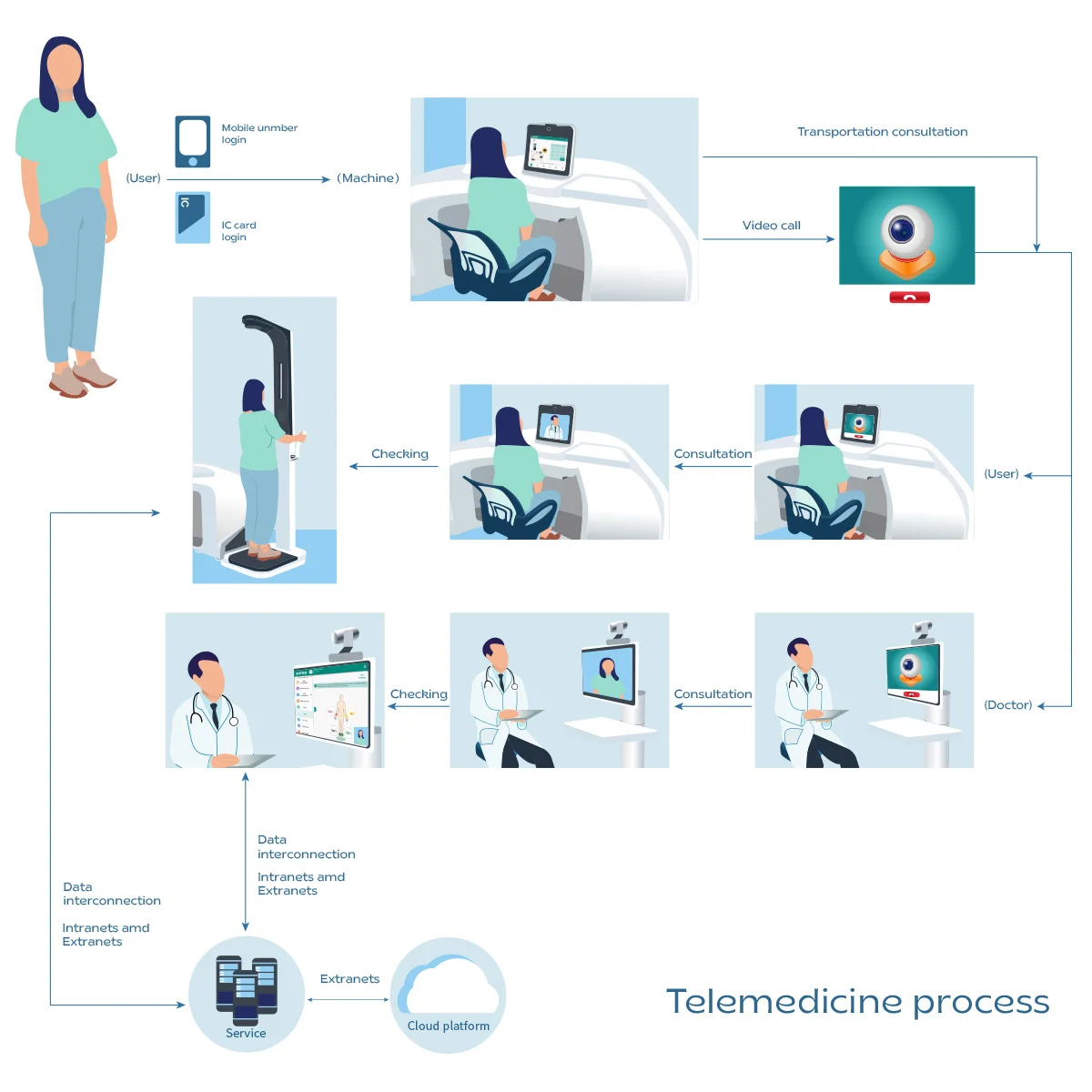
The main hardware consists of medical grade biometric tools such as blood pressure monitors and finger pulse devices, along with touch screens and infrared cameras that can check temperatures without physical contact. The design itself meets ADA standards so people can adjust the height easily and there's plenty of space under the unit for knees. On the software side, we've got encryption built into electronic health records, support for multiple languages across the interface, and all data handling follows HIPAA rules. Biometric scanning tech helps keep patients' information private when they interact with the system. Putting all these together creates an environment where basic healthcare tasks don't need staff around most of the time, yet still keeps things secure. Plus, the way everything works step by step makes it simple to use and cuts down on mistakes or needing special training.
Health kiosks deliver four critical functions:
The introduction of self service tech has really changed how patients register at clinics, with wait times dropping around 37 percent according to those CDC CAHPS numbers we all trust. Patients can now fill out their own digital paperwork and confirm insurance info themselves, which means shorter lines in waiting rooms and fewer mistakes when entering data manually. The extra time freed up lets healthcare workers focus more on what matters most - things like assessing emergencies and coordinating patient care. When systems integrate with electronic health records in real time, everyone gets updated information instantly. Plus, touch free options help keep infection risks down during outbreaks. Many clinics have seen better patient flow without needing bigger buildings or hiring more staff. What used to take about ten minutes for check in is now done in roughly six and a half minutes. This allows practices to squeeze in anywhere from 15 to 20 percent more appointments each day, and research published last year in the Journal of Medical Systems even shows no show rates going down by 11 percentage points.
When hospitals automate those daily tasks, healthcare workers actually get some breathing room from all that paperwork hassle. Self service kiosks handle scheduling appointments, collecting copays, and updating records without needing constant supervision from staff members. According to Healthcare Financial Management Association stats, this brings down administrative workloads around 28%. Nurses find they have about 45 extra minutes each shift that used to be eaten up entering information into systems, which means they can spend quality time talking through treatment plans with patients instead of just ticking boxes. Mistakes in collecting basic patient info fall by roughly 32% once things go digital too. Plus, checking insurance coverage happens right away at check in so there are fewer surprises later on with bills getting rejected. These kiosks even remind folks about important screenings they might otherwise forget during their regular visits, helping boost adherence to recommended health checks. Hospitals report saving money on overtime expenses by nearly 20% after implementing these systems, plus doctors and nurses generally feel happier with their jobs knowing they aren't stuck behind desks all day.
Putting health kiosks in places like pharmacies, big retail stores, and community centers really helps break down those annoying geographic barriers when it comes to getting medical attention. These self service stations offer things people need most right there in busy spots where folks already hang out. Blood pressure checks and quick symptom screenings become available without having to book appointments or drive across town. When these kiosks sit outside regular doctor offices, whole neighborhoods can check their basic health anytime day or night. This cuts down on all that driving around for small problems, which makes life easier for folks living far away from cities as well as busy parents who barely have time between work shifts. The ones located inside grocery stores work particularly well because they let shoppers squeeze in a quick health check while picking up groceries, making prevention part of everyday routines rather than something special.
Getting real healthcare access means thinking about design from the start. Health kiosks help level the playing field by offering multiple languages so folks who don't speak English well can still get what they need, especially in neighborhoods where people come from all sorts of backgrounds. The ones built according to ADA standards have things like height adjustments, spoken instructions when needed, and buttons that can be felt rather than just seen, which matters a lot for people with limited movement or poor eyesight. There are also these handy tools built right in for prevention work. Some check if someone might be at risk for certain long term illnesses while others track whether medications are being taken properly. All these little touches make a big difference, turning patients who would otherwise just sit there waiting for appointments into actual partners in managing their own wellbeing over time.
A health kiosk is a standalone digital station that serves as a mini healthcare hub, allowing individuals to perform basic medical tasks themselves, such as vitals screening and appointment check-in.
Health kiosks can be found in doctor's offices, local pharmacies, big retail stores, and community centers, making healthcare more accessible in various locations.
Health kiosks offer multilingual interfaces, ADA-compliant designs, and preventive health tools, empowering patients to manage their own wellbeing.
Health kiosks reduce operational burdens by accelerating patient intake, optimizing clinical workflows, and freeing up healthcare professionals to focus on more complex tasks.

Copyright © 2025 by Shenzhen Sonka Medical Technology Co., Limited - Privacy policy