

Skaity pavartīna precīzus človėka fizinių mērījumu un proporcijska izmēru attēlošanu produktu dizainē. To nodrošina, ka industriālie iekārtas, darba vietas un rīki atbilst galutējo lietotāju anatomicai daudzveidībai—pārveidojot ergonomisko drošību no papildus domes par būtīnok inžinerijas prava.
Kai įmonės nepaiso kūno matmenų, jos susiduria su rimtomis problemomis, tokiomis kaip raumenų ir kaulų sistemos traumos bei prarasto darbo laiko. Paimkime surinkimo linijos įrankius kaip dažną pavyzdį. Dauguma rankenų dydžių pagrįsti kažkokiu mitiniu „vidutinio“ delno dydžiu, dėl ko darbuotojai, turintys didesnius ar mažesnius delnus, kasdien kovoja su nepatogumais. Šis nuolatinis krūvis lemia skausmingas kaupiamąsias traumines ligas, kurias taip dažnai pastebime. Pašnekėkime apie skaičius. Ponemon institutas nustatė, kad tokios darbo vietos traumos 2023 m. gamintojams kainavo apie 740 000 JAV dolerių vienu atveju, atsižvelgiant tiek į prarastą našumą, tiek į kompensacijų išlaidas. Kita vertus, pagal BIFMA praėjusiais metais atliktus tyrimus, gamyklos, kurios taiko žmogaus centruotą dizainą, remdamasi tikrais kūno matavimais, praneša apie apie 25 % sumažėjusias klaidų normas. Be to, užduotys atliekamos greičiau, kai viskas nuo pat pradžių tinka tinkamai.
B2B kontekstuose kūno matmenų integruojimas tiesiogiai veikia grąžą iš investicijų (ROI). Medicinos prietaisų gamintojai, naudojantys antropometrinius duomenis, praneša apie 40 % mažiau su vartotoju susijusių incidentų; sandėlių operatoriai, diegdami pagal dydį pritaikytas asmeninės apsaugos priemones, pastebi 18 % didesnį laikymąsi taisyklių. Šie rezultatai atsiranda projektuojant apie žmogišką įvairovę – o ne verčiant vartotojus prisitaikyti prie standžių produktų.
Kūno matmenims teikiant pirmenybę taip pat užtinkama, kad sprendimai būtų tinkami ir ateityje, atsižvelgiant į demografinius pokyčius. Senėjant ir įvairėjant darbuotojų sudėčiai, mastelio keitimo galimybę turintys dizainai prisitaiko prie besikeičiančių poreikių be brangios modernizacijos – sumažindami gyvavimo ciklo sąnaudas ir kartu užtikrindami prieinamumo reikalavimų laikymąsi visuose pasaulio rinkose.
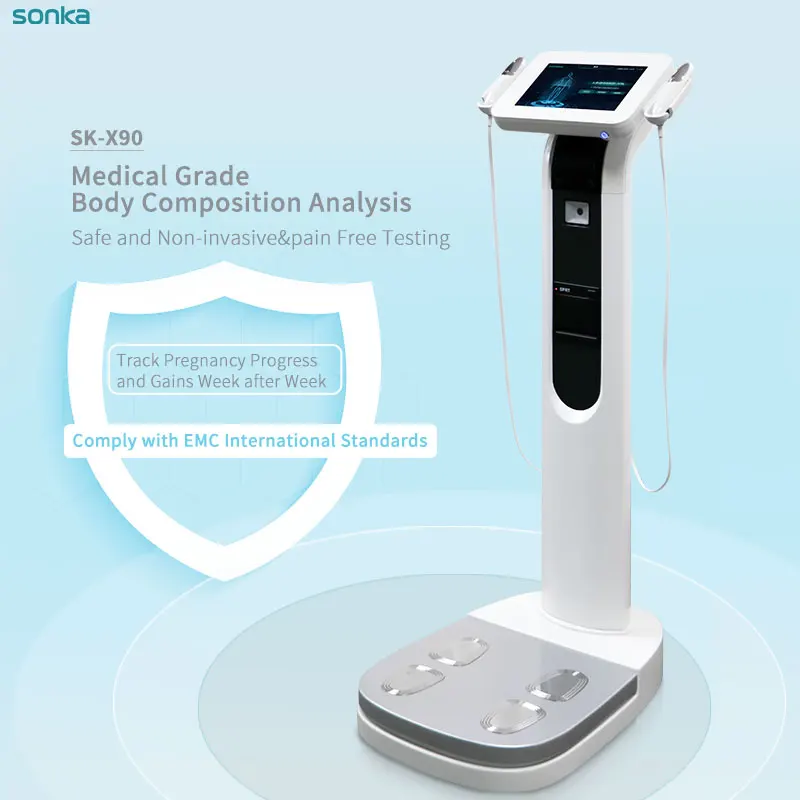
Industrijos dizaineri, kuriam produktus visų formų ir dydžių žmonėms, relybuja į kaišką, kas vadinama antropometriniais duomenimis, kas esentiallyiškai omenyja, kaip žmonės yra užbūtini nuo galvos līkai papēdiam. Skirtingų žmonių grupių atšķirību analizė palībēja gamybininkiem izgatavot produktus, piemer, biro krēslus, kurie nesāpē mugurā, rīkus fabriku darbininkiem, kurie labāk piitilpo ķībā, ir kontrolpanelius, kurus nėsmauk nesasniekti. Pētījumi rāda, ka darba vietas, izveidotas izmantojot šīs mērītņas, samazinuoja ievainojumus apmēram 30 procentiem un paaugstina ražīgumu aptu 22 procentiem, saskaņā ar pētījumu, kas tika publēts pagājuši gadi. Ir arī kaiškas, kas šobrīd tiek saukts Digital Human Modeling, kur kompanijas var pārbaudīt dizainus pret dažādām ķermeņa formām pirms izgatavojot jebko fiziski. Tas aptver lielummenēj daļu cilvēku no ļoti maziem līkai diezgam garājiem, sekot internacionālām norādēm kā ISO 7250, bet nodrošinot, ka ikviens saņem godīgu iespēju iegūt komfortablas aprīkotni.
Viena gamykla nusprendė visiškai perdirbti surinkimo linijos darbo vietų dizainą, pastebėjusi, kad operatoriai per pamainas pavargsta pernelyg greitai. Vadovybė surenkė matavimus iš apie 1200 darbuotojų skirtingose gamyklose ir gavo šokiruojantį rezultatą – dauguma žmonių dirbo prie stalų, kurie jiems netiko pagal ūgį ar sudėjimą. Todėl buvo sukurti reguliuojami stovai ir perkomponeuoti įrankių bei detalių išdėstymas kiekvienoje stotyje, kad darbininkai galėtų prisitaikyti pagal savo kūno matmenis. Įdiegus šias pakeitimus, rodikliai pradėjo gerėti, rodydami reikšmingą darbuotojų komforto ir produktyvumo padidėjimą visoje linijoje.
Kūno svarstyklių integracija B2B gamybos sektoriuje skiriasi labai stipriai, todėl reikalingi sektoriaus specifiniai požiūriai į ergonomiškumą ir funkcinių saugos aspektų derinimą.
Kad medicinos prietaisai tinkamai veiktų, jie turi tinka tiek gydytojams, tiek pacientams su įvairiais kūno sudėjimais ir dydžiais. Priešingu atveju gali kilti problemų dėl klaidų procedūrų metu, taip pat sunkiau išlaikyti sterilią aplinką. Kai chirurginiai instrumentai netinka ar vaizdavimo sistemų dalys yra netinkamo dydžio, tai iš tikrųjų paveikia procedūrų tikslumą. Pagal 2023 m. žurnale Journal of Clinical Engineering paskelbtus tyrimus, apie ketvirtadalis visų su medicinos prietaisais susijusių problemų kyla dėl tiesioginio netinkamo ergonomiškumo. Teisingas kūno matmenų parinkimas labai svarbus pacientams, nes tai reiškia geresnį įrankių laikymą, aiškesnį matomumą operacijų metu ir mažesnį raumenų bei sąnarių apkrovimą, ypač ilgose, trunkančiose valandas operacijose.
Komercinių transporto priemonių kabinų projektavimas turi atsižvelgti į žmones visų dydžių, apimant mažiausius 5 procentilių vairuotojus iki didžiausių 95 procentilių. Tokios detalės kaip pasiekiamumas iki vairo, kojų padėtis ant pedalų ir matomumas per priekinį stiklą turi būti tinkamai išbandytos remiantis tikrais žmogaus kūno matavimais. Pagal 2022 m. žurnale „Ergonomics in Design“ paskelbtus tyrimus, įmonės, kurios tai daro teisingai, fiksuoja apie 18 procentų mažiau avarijų dėl vairuotojų nuovargio, tiesiog todėl, kad kiekvienas geriau telpa už vairo. Teisingai nustatę kūno dydžio parametrus jau nuo pat pradžių, sunkvežimių gamintojai sutaupo daug lėšų ateityje, nereikės pertvarkinėti jau gaminamų transporto priemonių siekiant atitikti prieinamumo reikalavimus.
Apsaugos priemonių tinkamumas labai priklauso nuo tikslių dydžių kategorijų, kad darbuotojai būtų apsaugoti, bet vis tiek galėtų laisvai judėti. Dauguma gamintojų remiasi standartiniais kūno matavimų tinklais, pavyzdžiui, nustatytais ISO 13934-1 standarte, kad pasiektų žmones abiejose dydžių skalės pusėse, nešvaistydamas medžiagų. Netinkamai besitinkantis įranga sukelia tikras problemas darbo aikštelėse. Pavyzdžiui, pirštinės, kurios netinka tinkamai, sukelia negrabius judesius, o maži kvėpavimo aparatai apriboja kvėpavimą iki tokio lygio, kad darbuotojai juos visiškai nusivelka. Pagal naujausius OSHA duomenis iš 2023 metų lauko patikrinimų, apie trečdalis visų PPE pažeidimų kyla dėl šių pagrindinių dydžių problemų. Kai įranga tinkamai priglunda, aktyvaus darbo sąlygomis, kai pastoviai judama, pavojingų tarpų atsiradimo rizika yra mažesnė.
Praktikoje tinkamai atliekant kūno matmenų skalavimą, dizaineriai turėtų remtis patikrintais ir patikimais standartais. ISO 7250 standartas apima pagrindinius kūno matavimus, o Amerikos nacionalinių standartų instituto ANSI/HFES 100 standartas yra skirtas konkrečiai darbo vietų pritaikymui prie skirtingų kūno tipų. Šie standartai iš esmės suteikia patikimus duomenis apie tai, koks procentas žmonių gali patogiai pasiekti tam tikras zonas ar tilpti į specifines erdves. Tačiau nereikia sustoti ties tuo. Derinkite šiuos standartus su skaitmeninio žmogaus modeliavimo programine įranga projektavimo etape. Tai leidžia inžinieriams pamatyti, kaip skirtingų dydžių kūnai sąveikauja su įranga dar nepagaminus jokios detalės. Ankstyvas testavimas yra svarbus, nes 2023 m. „Journal of Biomechanics“ paskelbtas tyrimas parodė, kad dauguma ergonomikos problemų iškyla būtent šiame etape. Problemas nustatę dabar, vėliau sutaupysite laiko ir pinigų.
| Metodas | Taikymas | Rezultatas |
|---|---|---|
| ISO 7250 | Kaulinės sistemos matavimų baziniai taškai | Globali dydžių nuoseklumas |
| ANSI/HFES 100 | Valdymo skydelio/tarpų gairės | Sumažintas raumenų-kostinės sistemos įtempimas |
| DHM Simuliacijos | Virtualus vartotojų testavimas didelėmis apimtimis | 40 % greitesni iteracijų ciklai |
Pradėkite galvoti apie žmonių kūno matmenis jau nuo pat pradžių, kai kūriate idėjas, o ne laukite vėlesnių etapų. Peržiūrėkite, į kokius dydžių diapazonus patenka dauguma žmonių, pasinaudodami duomenų bazėmis, tokiomis kaip CAESAR ar NHANES, kuriose surinkta įvairių regionų kūno matmenų informacija. Tada sukurkite reguliuojamus dizainus, tinkančius tiek labai mažo ūgio, tiek gana aukštiems žmonėms šiuose standartiniuose diapazonuose. Kai dirbama su sunkvežimiais ar gamyklose naudojamais įrankiais, prasminga iš tiesų pagaminti 3D spausdinimo būdu modelius, atitinkančius labai aukštus ir žemesnius darbuotojus šalia vienas kito, kad būtų galima stebėti jų fizinę sąveiką. Paskutinis žingsnis – stebėti faktinius judesius naudojant specialias kameras, kurios tiksliai seka, kaip lenkiasi sąnariai, kai kas nors valdo įrenginį. Pagal paskutinių metų leidinyje „Ergonomics in Design“ paskelbtus tyrimus, įmonės, taikančios šį metodą, rinkoje atsidūrus produkams, susiduria maždaug dviem trečdaliais mažiau problemų, susijusių su žmogaus veiksnių klausimais.

Autorių teisės © 2025 Shenzeno Sonka Medicinos Technologijų Bendrovė, Ltd. - Privatumo politika