

Home > NEWS > Industrial News
Self-check-in kiosks are changing how patients start their visits at clinics by cutting down on those long waits at the front desk. Most folks can finish registering within just over a minute using these screens, checking in, updating contact info, and even paying bills without needing help from anyone behind the counter. What this means is that office staff can spend more time on complicated paperwork or helping people who really need it, instead of standing there watching everyone scan their IDs. According to research published in the Journal of Medical Practice Management last year, clinics that installed these kiosks saw nearly 30% better ratings when patients were asked about how fast they got served and whether the staff seemed attentive. Faster check-ins don't just save time they actually make patients feel like they're getting better care overall.
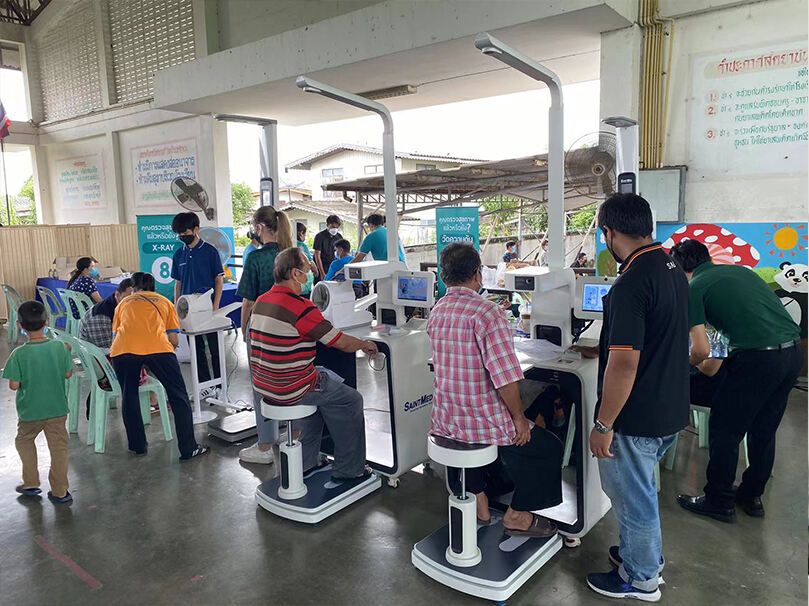
The Cleveland Clinic rolled out over 150 self check-in kiosks at their 23 different locations throughout the region, and this had some pretty noticeable effects on day to day operations. During busy periods when lots of patients arrive at once, these stations let multiple people check in simultaneously, which cut down waiting time in the lobby area by almost 40%. That translates to roughly 12 and a half extra minutes that each visitor gets back in their day. With all this freed up time, doctors and nurses could actually squeeze in 18% more appointments without having to work any later than before. Something else interesting happened too - fewer patients started missing their scheduled visits because they weren't stuck waiting around so long anymore. The clinic saw a drop in missed appointments of about 14%, showing that these kiosks really do help smooth out bottlenecks in the system while making better use of available resources.
Self service kiosks now use biometrics like face scans or finger prints to check who patients are, all while keeping their health info secure according to HIPAA rules. No more waiting around for someone to manually check IDs or fill out those endless paper forms. The system can confirm if insurance is valid pretty quickly too, usually within about a minute or so. Doctors offices automatically check what patients owe for deductibles and co pays right at check in time. This helps avoid those frustrating situations where bills get sent back later because something was wrong with coverage details. It saves everyone time and keeps the relationship between doctor and patient from getting strained over money matters down the road.
The kiosks connect right into big EHR systems like Epic and Cerner through those HL7/FHIR APIs, which lets them automatically figure out copays based on what insurance covers at any given moment. When patients pay at check in, their payments show up in the billing system almost immediately, cutting down on all that paperwork the front desk staff used to do by about two thirds. The charts get updated as things happen too, so doctors and nurses can actually see what meds someone is taking, what they're allergic to, and whether they've signed all the necessary forms. This saves everyone from entering the same info multiple times and keeps everything documented properly for those HIPAA audits nobody wants to fail. Basically, it means patient information flows smoothly from when they first walk in until their medical records are complete.
Contactless self-service kiosks in healthcare transform staffing models by automating administrative workflows—freeing human resources for higher-value clinical and relational tasks.
Rather than eliminating positions, kiosks liberate administrative staff from repetitive tasks like check-ins and data entry. These employees transition to patient-focused roles requiring human judgment and empathy, including:
This strategic redeployment elevates job satisfaction while improving outcomes through enhanced human interaction—proving automation and compassion are mutually reinforcing.
A 2022 study in JAMA Health Forum analyzed staffing impacts after kiosk implementation across Kaiser Permanente’s network. Results showed:
| Metric | Improvement | Service Impact |
|---|---|---|
| Administrative FTE needs | 22% reduction | No degradation |
| Patient satisfaction | Maintained | Pre-kiosk levels |
| Clinical staff capacity | Increased | 15% more time for direct care |
The optimized workflow enabled redeployed staff to lead preventive care outreach and chronic disease management programs—demonstrating how automation delivers sustainable, quality-preserving efficiencies.
Kiosks that let patients serve themselves actually help remove obstacles for people from all walks of life when they're designed with fairness in mind. When it comes to making these machines accessible, the ones that follow ADA standards have several important features. They can be adjusted to different heights so wheelchair users can reach them easily. Some models come with voice guidance systems too, which is super helpful for folks who might not see well. The buttons are also raised so blind users can tell where they are by touch, and everything works with screen readers as well. As for keeping things private, there's some pretty smart tech built in. The screens automatically get darker after a while so others can't peek over shoulders, and the viewing angle is limited to prevent accidental exposure. Best part? All the data gets wiped clean once someone finishes their session, which means sensitive health info stays protected under HIPAA rules.
When it comes to bridging language barriers, multilingual interfaces make a real difference. The best systems now include around 20 different languages like Spanish, Mandarin, Vietnamese, plus American Sign Language video interpretation. This means hospitals don't have to rely so much on already stretched staff interpreters, and patients tend to make about 63% fewer mistakes when filling out forms according to recent surveys. Beyond just translation, these systems also use clear icons, helpful audio guides, and simpler interfaces that work better for people with lower reading skills or those who think differently. All this helps create fair access regardless of someone's age, physical abilities, native tongue, or how comfortable they are with medical jargon.
Self-service kiosks reduce waiting times, streamline check-in processes, and allow healthcare staff to focus on more complex patient needs rather than administrative tasks. This leads to improved patient satisfaction and operational efficiency.
These kiosks incorporate features such as biometric verification, screen darkening, limited viewing angles, and data wiping after each session to ensure patient privacy and compliance with HIPAA regulations.
Yes, kiosks designed according to ADA standards are accessible to wheelchair users, visually impaired individuals, and those with language barriers through features like adjustable height, voice guidance, and multilingual support.
While kiosks automate routine tasks, they do not eliminate positions but rather enable staff to focus on patient-centered roles that require human interaction, leading to enhanced patient care and job satisfaction.

Copyright © 2025 by Shenzhen Sonka Medical Technology Co., Limited - Privacy policy