

Home > NEWS > Industrial News
BMI numbers and simple weight measurements miss what really matters when it comes to athletic performance. Body composition analysis tells us something much more valuable: the actual ratio between lean mass and fat mass. This gives a better picture of an athlete's true capabilities for generating power, maintaining endurance, and staying resilient against injuries compared to just looking at total weight. More lean muscle means athletes can produce greater force during those explosive moves we see in competition. At the same time, having the right amount of body fat supports energy systems without making someone slower or clumsier. Getting this balance right actually helps prevent injuries too. Enough lean tissue acts as natural joint stabilizers during impacts, whereas too much extra fat puts unnecessary strain on ligaments and tendons. Some studies suggest that adding just 1% muscle mass could cut down on non-contact injuries by around 15% in sports involving lots of cutting and pivoting movements. These kinds of insights allow coaches to make much more specific training adjustments than they ever could with just a bathroom scale reading.
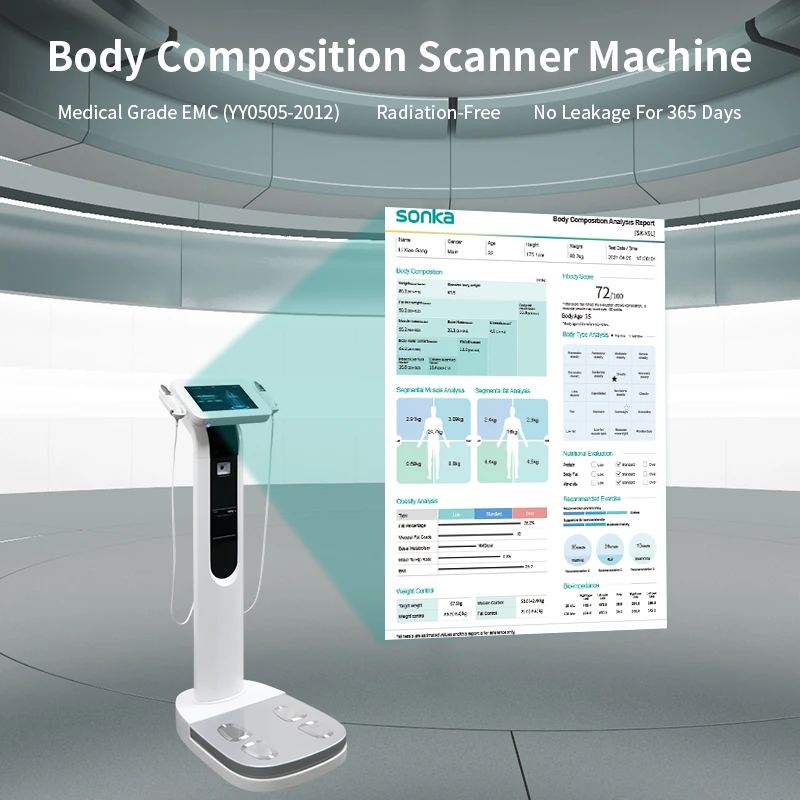
Many professional sports teams have started incorporating body composition analyzers into their training routines as part of efforts to prevent injuries before they happen, and the results are actually pretty impressive. Take one NBA team that began doing regular scans every three months to keep an eye on things like lean muscle mass in players' legs and levels of fluid outside cells. Whenever someone's muscle mass dipped below what was considered normal for their position, the medical team would tweak their strength training programs and adjust how much protein they were getting. They also noticed that when there was too much fluid around the cells, it often meant inflammation was starting up even before any real damage happened. After about a year and a half of this practice, the number of recurring soft tissue injuries went down by roughly 25% compared to previous seasons. This marked a real turning point for the team, moving them away from just fixing problems after they occurred toward creating stronger, healthier athletes right from the start, especially important during those intense playoff runs when every player matters.
Dual Energy X-Ray Absorptiometry, commonly known as DXA scans, gives lab quality readings for bone density and body composition breakdowns, but needs patients to stay still for anywhere between ten to twenty minutes. That makes it mostly useful for setting baseline measurements before seasons start or doing specific tests when needed. Bioelectrical Impedance Analysis works much faster than DXA, taking under a minute to get results and fits into portable devices. However, changes in hydration levels can throw off readings by three to five percent, which matters a lot for athletes monitoring their progress closely. The BodPod machine measures body composition with an error range of one to two percent within just three to five minutes, although it requires very controlled room conditions to work properly. Skinfold calipers remain popular because they're cheap and easy to carry around, especially with methods like Jackson Pollock protocol. But without trained professionals using them correctly, there's often ten to fifteen percent difference between different testers' results. Most top training facilities have developed a system where they rely on DXA or BodPod machines for accurate starting points, switch to BIA devices for regular checkups over time, and only turn to skinfolds when budget constraints force the hand.
When it comes to field screening, speed and scalability matter most. Bioelectrical impedance analysis works well for big teams at training camps, whereas skinfold measurements still hold their ground in places where resources are tight, as long as the people doing them have proper certification. For longer term programs focused on building muscle through diet changes, BIA can be used day after day, though we check it against DXA scans every three months or so just to make sure our trends are accurate. If research needs to meet publishing standards, then DXA with its under 1% error margin or the BodPod with its track record in metabolism research becomes necessary. Wrestlers and other athletes sensitive to hydration levels should steer clear of skinfold tests entirely. And anyone using BIA needs to follow strict prep rules before testing time including making sure everyone gets tested at the same time of day, has similar hydration levels, and hasn't eaten recently. Choosing between these tools always involves weighing how detailed the data needs to be versus what actually works in practice. No one method fits every situation in sports medicine.
When someone trains to cut fat and build muscle at the same time, they're looking at something regular bathroom scales can't show them. Body composition tests actually measure what's happening inside, so people don't get confused when their weight stays the same or even goes up but they're still making progress. Research from early 2025 showed folks dropping around 5 kilograms of fat while picking up nearly 2 kg of muscle mass by mixing strength work with cardio exercises. Sports doctors check these numbers every three months to tweak how much protein athletes need and balance their workouts between cardio and weights. This matters a lot for fighters and rowers who compete in specific weight classes. They need to maximize their strength relative to their body weight, not just focus on hitting a certain number on the scale if they want to perform better in competition.
The latest methods combine different biomarkers for better insights. Phase angle measured through BIA tells us about cell health and how hydrated someone is, while appendicular lean mass from DXA scans shows muscle growth in specific limbs. When we look at these together, we can create nutrition plans that match our body's natural rhythms. Athletes who have phase angles below 5.5 degrees often struggle to use protein properly and need quick digesting protein right after their workout session. People whose limb muscles are shrinking tend to get more benefits from steady leucine intake throughout the night to help with repairs. For endurance athletes, adding branched chain amino acids during training makes sense when phase angles drop as glycogen stores run low. Strength athletes should consider casein proteins at night since research shows these align well with the body's repair periods confirmed by DXA scans. This approach goes way beyond simple calorie counting and creates eating schedules based on what the body actually needs physiologically.
Body composition analyzers have several issues that need attention if we want accurate results. The first problem is standardization. Different testing times, whether someone has eaten recently, and how they stand during measurement all affect what the device shows over time. That's why many sports teams follow specific protocols when tracking their athletes' bodies. Hydration levels are another big concern for these devices. Even small changes in water content can make a difference. We've seen cases where a 2% shift in fluids leads to about 1.5 kg differences in lean mass readings. To handle this, most facilities enforce strict rules about drinking before tests and occasionally cross-check with dual-energy X-ray absorptiometry scans. The third challenge lies in interpreting the numbers themselves. Raw data from these machines means little on its own. When coaches combine body measurements with actual performance indicators like vertical jump height or sprint speed, they get much better insights. Looking at how muscle mass relates to explosive power or endurance helps make sense of those numbers rather than just seeing them as abstract values.
Body composition analysis provides a detailed breakdown of lean mass and fat mass, offering better insights into an athlete's power, endurance, and injury resilience compared to BMI, which only considers weight.
By tracking muscle mass and body fat, coaches can make specific training adjustments to enhance strength and prevent injuries, as lean tissue acts as joint stabilizers.
The common methods include DXA scans, Bioelectrical Impedance Analysis (BIA), BodPod, and skinfold calipers, each with varying accuracy, speed, and contextual validity.
By understanding muscle growth and hydration levels, tailored nutrition plans can be developed to enhance protein absorption and muscle repair.
Challenges include standardization, hydration bias, and interpreting raw data accurately, which requires adherence to specific testing protocols.

Copyright © 2025 by Shenzhen Sonka Medical Technology Co., Limited - Privacy policy