

Home > NEWS > Industrial News
Health checkup kiosks are basically standalone stations where people can do their own basic health tests without needing a doctor around. These machines come with proper medical sensors and easy to use software that lets anyone walk up and get quick readings. We see them popping up all over the place lately—in drug stores, office buildings, even at local community centers. They help take some of the load off regular hospitals and clinics by letting folks check themselves first before making appointments. When someone wants to use one, they just tap on the screen to measure things like blood pressure, heart rate, oxygen levels, body mass index, and temperature. These numbers matter because they can spot problems early on with stuff like high blood pressure, diabetes, or heart issues before they become serious health concerns.
Health kiosks bring preventive care closer to people who need it most, especially those living in remote areas where doctors offices are few and far between. These machines don't need much supervision from staff, so they can stay open all day every day, letting folks check their numbers whenever it fits into their schedule. Companies that installed them saw a real difference too. One study showed workplaces with these kiosks had 18 percent fewer health problems among employees according to Occupational Medicine Journal last year. What makes these stations really valuable though is how they explain results in simple language right there on screen. People walk away with actual information they can talk about with their doctors instead of just vague worries. When we look at what these kiosks offer combined with their low costs and emphasis on early detection, it's clear why they're becoming such an important part of our overall approach to community health.
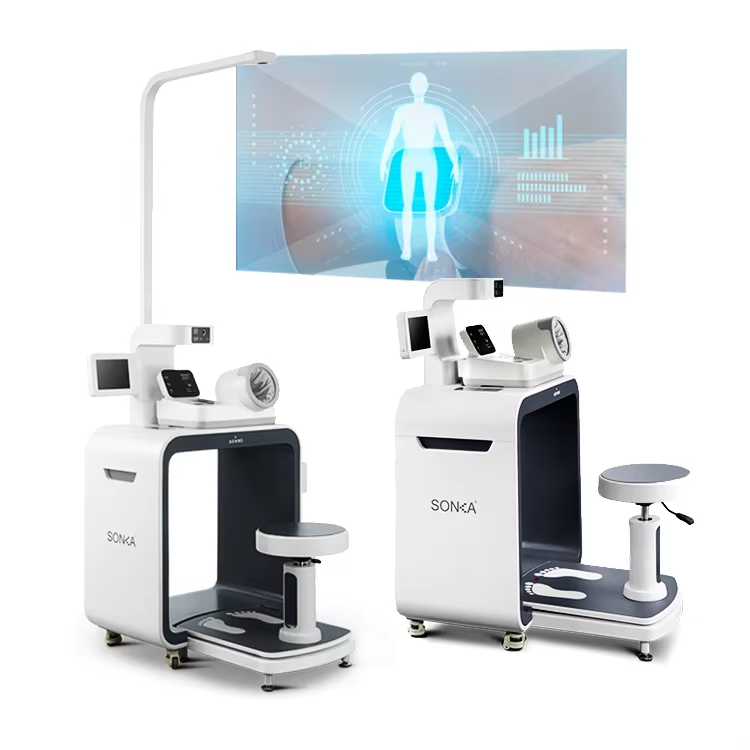
Modern health checkup kiosks transform preventive care through an intuitive, self-guided process designed for speed and accuracy. Users begin by scanning identification documents or entering basic information via the touchscreen—eliminating paper forms and administrative delays. Clear visual and audio prompts then guide them step-by-step through standardized measurements:
Real-time feedback ensures proper technique, while automated sensors capture data directly into encrypted, HIPAA-compliant systems—reducing human transcription errors by up to 73% in clinical settings. Optional advanced diagnostics include inserting single-use cartridges for cholesterol or glucose testing, or performing guided breathing maneuvers for spirometry.
The workflow concludes with:
This end-to-end automation cuts patient processing time by over 60% compared to manual methods—freeing clinical staff to prioritize complex cases without compromising data integrity or privacy.
Health checkup kiosks give quick and consistent physical assessments through FDA approved non invasive sensors. The blood pressure cuffs along with those optical heart rate detectors can show what's going on with someone's heart within just about a minute. For oxygen levels in the blood, finger pulse oximeters come into play measuring SpO2 which is really important when looking at lung function and circulation issues. There are also built in devices that measure height and weight to figure out BMI automatically. And then there's the infrared thermometer that takes body temperature without needing to touch anything, so no worries about spreading germs. All these different measurements get put together into a basic health snapshot that appears right away on screen with colors indicating normal vs abnormal ranges according to ACC AHA standards. These kiosks basically replace old fashioned methods where people might guess or do things differently each time they check someone. This makes the results much more reliable and helps doctors make better decisions faster, particularly useful in places where lots of patients need attention or where resources are limited.
The latest generation of health kiosks has moved well past basic vital signs checks and now offers actual clinical grade screening thanks to those modular diagnostic systems that don't require CLIA certification. These kiosks can do capillary blood tests using those throw away lancets and one time only test cartridges. They measure things like fasting equivalent glucose levels, hemoglobin A1c, total cholesterol, HDL cholesterol, and triglycerides all within about five minutes flat. There's also palm contact ECG sensors that spot irregular heartbeats, especially atrial fibrillation problems, and these have been tested against standard 12 lead ECG machines for accuracy. For lung function testing, spirometry modules check forced vital capacity (FVC) and forced expiratory volume in one second (FEV1), which helps catch COPD and asthma cases earlier on. Everything gets locked down securely and automatically sends to electronic health records or patient portals so doctors can look at them later. Around 7 out of 10 urgent care clinics have started using this kind of point of care testing to speed up their triage process. The numbers show that getting lab quality results outside regular labs is possible as long as the equipment meets those important standards like ISO 13485 and CLSI EP21-A2 validation requirements.
Health checkup kiosks are making real differences in how people access healthcare services both at clinics and within communities. When these kiosks handle basic tests automatically, patients spend less time waiting around, there are fewer mistakes in paperwork, and doctors can focus on patients who need more urgent attention. From an individual perspective, getting instant results on blood pressure, glucose levels, and other key indicators helps spot problems such as high blood pressure or early signs of diabetes much sooner. Catching these issues early often means avoiding trips to emergency rooms or specialist appointments down the road, which saves money and improves health outcomes overall.
These kiosks are already embedded in diverse real-world contexts:
The fact that these machines work around the clock really helps people who can't make it during regular office hours, like night shift workers or parents taking care of young kids. When we roll out this technology across multiple locations and connect it properly with doctor referrals and electronic health records, something interesting happens. These health kiosks aren't just about convenience anymore. They actually make a difference in real healthcare outcomes. We've seen emergency room visits drop because patients get basic checks done earlier. Blood pressure and diabetes management improves when folks can monitor regularly. And city health departments gain valuable insights into community health trends through all this data collection, which helps them plan better for outbreaks or allocate resources where they're most needed.

Copyright © 2025 by Shenzhen Sonka Medical Technology Co., Limited - Privacy policy