

Home > NEWS > Industrial News
Those health kiosks really change things in waiting rooms when patients can report their own symptoms and take basic measurements like blood pressure, temp checks, and oxygen levels before seeing a doctor or nurse. The whole process saves time too - we're talking around 40% faster check-ins which means fewer people packed into lobbies waiting around. Clinic staff don't spend so much time collecting paper forms anymore, they get to do actual medical work instead. During busy mornings and afternoons, this makes a huge difference in how many patients flow through the doors. Some clinics have reported being able to see about 30% more patients each day without hiring extra help or expanding facilities. That translates to shorter waits for everyone and less frustration when trying to get appointments scheduled on time.
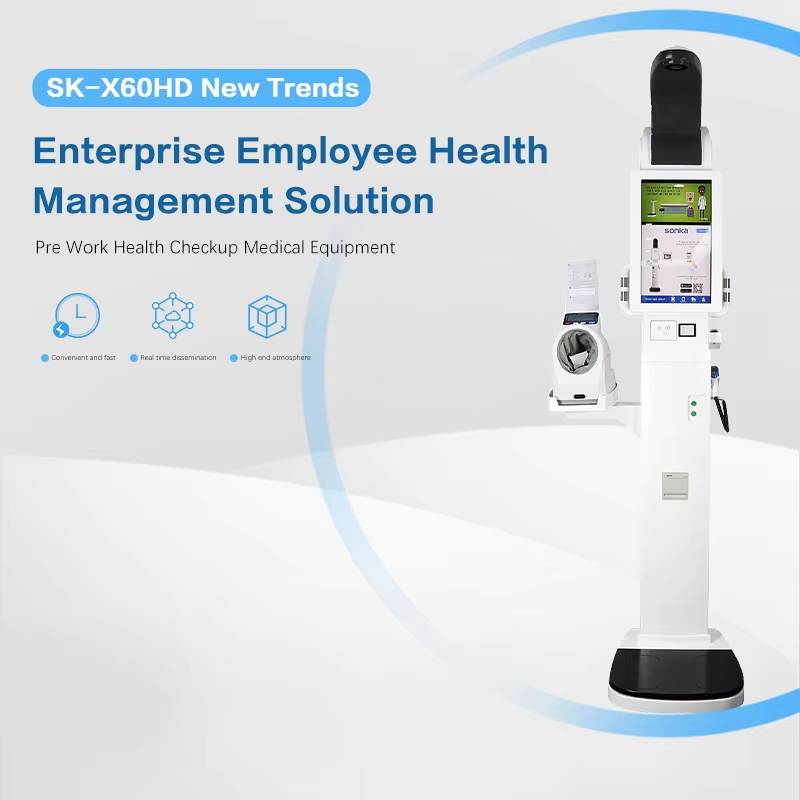
Health kiosks create consistent screening experiences through their step by step assessment process. Every patient gets the same questions asked in exactly the same way, measurements taken at set intervals, and results interpreted according to standardized guidelines. Manual methods vary so much from person to person, which introduces all sorts of subjective judgments during initial checks. When these kiosks work alongside smart diagnostic tools, they catch unusual health patterns like ongoing high blood pressure readings or sudden fever increases about 99 times out of 100. The real benefit comes from having standardized procedures across the board. Doctors spot potential problems earlier when there's no guesswork involved, and we see fewer missed notes or incomplete records too. Studies show around 15% of patients get overlooked in traditional paper based systems according to research published in the Journal of Clinical Efficiency last year.
Today's health kiosks are built to comply with ADA standards, featuring counters that sit at least 34 inches off the ground for wheelchair access, plus tactile buttons and screens that can be tilted for better viewing. They also include helpful features like voice guidance systems, bright contrast displays, and audio cues that really help folks who have trouble seeing. The kiosks come with language options covering more than twenty different tongues, including Spanish and Mandarin, which makes them accessible to many diverse communities. Simple icons work alongside verbal instructions too, making these machines easier to use for people with reading difficulties or those on the autism spectrum. According to a recent study from 2023, medical facilities that installed these inclusive kiosks saw their check-in process speed up by around 40% for older adults and disabled visitors. This shows clearly that when we design technology with everyone in mind, both accessibility and operational efficiency get a big boost.
Health kiosks bring medical care outside regular clinics these days. They show up in pharmacies, community buildings, on wheels as mobile units, and even at work places for wellness programs. For folks living in rural areas, having a kiosk nearby means no more driving hours just to get basic healthcare. The numbers tell the story too many rural counties simply don't have enough doctors around. People who otherwise wouldn't get checked can now walk in for free blood pressure tests and other quick health checks. Night shift workers and parents juggling multiple responsibilities find it convenient to stop by late at night when they actually have time. We've seen real results in neighborhoods where fresh food is hard to come by. After putting kiosks there, preventive screenings went up by almost 30%. That's pretty convincing evidence these kiosks help level the playing field for everyone.
Health kiosks cut down on all that tedious manual data entry work by automatically sending vital signs, symptom reports, and risk indicators straight into EHR systems such as Epic and Cerner as they happen. Doctors can actually see what's going on with patients even before meeting them face to face, which makes those initial consultations much more productive. According to research published in the Journal of Healthcare Informatics last year, these integrated systems bring down administrative mistakes by around 30 percent and save doctors roughly eight minutes per patient when documenting their visits. That extra time gets spent where it matters most – caring for actual patients instead of filling out forms. The standardized way data is formatted helps keep things consistent throughout different parts of the hospital from triage to billing and everything in between. Plus there are automatic alerts set up so if something looks off in a test result, medical staff know right away and can respond faster in urgent situations. Everything stays within HIPAA regulations and works smoothly with industry standard formats like HL7 FHIR behind the scenes.
Modern health kiosks go way beyond just checking temperature and blood pressure these days. They actually have those special FDA approved add-ons that let doctors get real clinical results right there at the clinic. Think things like those cool finger sensors for glucose levels, little test cartridges that check cholesterol numbers, and those breathing machines they hand you to blow into for lung tests. The best part? All this info gets into the electronic medical records system in under a minute and a half. No waiting around for lab results anymore, so doctors can make actual decisions during the same appointment. Catching problems with metabolism or lungs early makes a big difference in treatment outcomes. Some research on clinic workflows indicates that places using these modules send patients to specialists about 30% less often than before. Plus, people spend roughly half as much time sitting in the waiting room now compared to when they had to wait for lab work.
With machine learning, those simple kiosks are no longer just collecting data passively but actually becoming smart clinical tools that can predict problems. The algorithms look at patterns over time like changes in pulse pressure, strange breathing rates, or small temperature differences to spot potential hypertensive crises way before someone even starts feeling unwell. For sepsis detection, these systems check how vital signs fluctuate against what's happening with white blood cells in lab tests, then send out red flags to doctors when certain risk numbers go above what research shows as dangerous levels. Hospitals that have implemented these AI-powered kiosks see about a 45 percent speed boost in responding to patients whose condition is getting worse according to recent studies published in medical journals. This means treatments happen sooner and results get better overall, plus it saves staff time because much of the paperwork and patient risk assessments gets done automatically now.
A health kiosk is a self-service station that allows patients to enter health information, take vital sign measurements, and access healthcare services without direct assistance from medical staff.
Health kiosks improve clinic efficiency by automating vital sign collection, streamlining patient check-in processes, and reducing administrative tasks, allowing staff to focus more on patient care.
Health kiosks benefit a wide range of patients, including those in rural and underserved areas, time-constrained individuals, older adults, and those with disabilities.
Health kiosks integrate with EHR systems like Epic and Cerner by automatically sending patient data captured at the kiosk to the health record system, ensuring accurate and timely documentation.

Copyright © 2025 by Shenzhen Sonka Medical Technology Co., Limited - Privacy policy