

Home > NEWS > Industrial News
Health kiosks have really changed how patients come into clinics these days. They automate check ins and can cut down on registration time by around 70%. People now handle their own insurance verification, record updates, and form completion right from digital screens instead of waiting in line with clipboards. This gives patients actual control over how fast they go through the process. The benefit? Less frustration about waiting around while clinic staff gets back to doing what they're trained for clinical work. Many clinics notice that their waiting areas aren't as crowded during busy times anymore because these kiosks allow multiple people to check in simultaneously rather than creating those long lines at the front desk. And interestingly enough, about 92 out of every 100 patients say they feel less stressed overall when they take care of all those paperwork things before actually seeing a doctor.
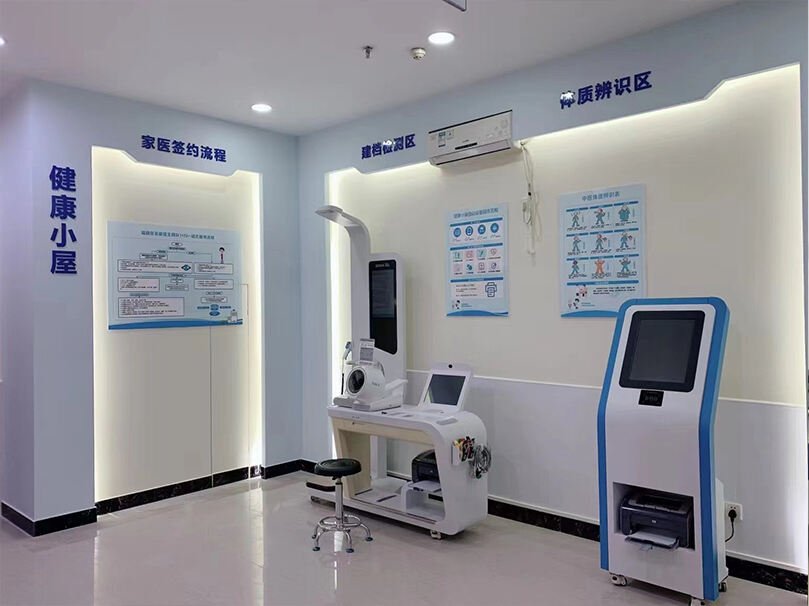
Patients generally report much better satisfaction when healthcare facilities have self service kiosks installed. The numbers tell the story pretty clearly too. Health systems that implement these kiosks typically get around 4.8 out of 5 stars from patients, while traditional clinics only manage about 3.9 on average. That's roughly a 23% jump in satisfaction ratings because people appreciate being able to check in privately without waiting in line. According to a recent survey conducted by PlayUSA in 2024, most patients (about 84%) actually like doing routine stuff themselves through these machines. They mention things like getting through the process faster and keeping their information confidential as big pluses. Another important aspect is making sure everyone can access these services regardless of language barriers or physical limitations. Many kiosks now come with multilingual options and are built according to ADA standards so folks who speak different languages or have mobility issues, vision problems, or hearing difficulties can still use them effectively. And here's something interesting: saving just one minute during registration actually gives doctors and nurses an extra 1.5 minutes with each patient. So improving how fast we handle paperwork isn't just about convenience it directly impacts the quality of care patients receive.
Health kiosks make front desk operations much smoother since patients can finish their digital registration, insurance checks, and consent forms within about three minutes which is roughly 70 percent quicker compared to doing things manually. The self service approach cuts down on paper work lines, means less need for staff at reception, and lets several people check in at once through different terminals. Medical centers are seeing around 40% drop in mistakes when entering data because these kiosks fill out electronic health records automatically and double check info as it goes in. When admin workers aren't stuck handling all the paperwork anymore, they can actually spend time helping patients navigate the facility and tackle other important tasks instead. This shift saves money over time by speeding up how fast payments come in and helps distribute resources better throughout the whole clinic team.
When people have to type in their information manually, it creates all sorts of problems for healthcare providers. Simple mistakes like mixing up numbers in birth dates or insurance ID fields can lead to denied claims and each correction typically costs around $25 according to industry reports. That's where health kiosks come in handy. These self-service stations allow patients to enter their own details using step-by-step prompts on screen, which cuts down on admin errors by about 80%. Getting accurate data right from the start means faster processing of insurance claims, fewer red flags during audits, and ultimately less money lost to unpaid bills. What makes these kiosks really valuable is how they handle privacy requirements. They use strong encryption for all data transfers, limit who can access what information based on job roles, and keep track of every time someone handles protected health info. This helps avoid those expensive HIPAA violations that can hit organizations with fines over $50k each time they happen. By locking down sensitive patient data as soon as it enters the system, hospitals not only save money but also stay out of trouble with regulators.
Health kiosks reduce staffing costs by automating routine administrative tasks—including check-in, insurance verification, and demographic collection—freeing clinical and administrative staff to focus on higher-value care delivery. Facilities implementing kiosks report annual labor cost reductions of up to $740,000 (Ponemon Institute, 2023). Key benefits include:
ROI acceleration comes from three levers: reduced overtime expenses, improved staff retention as roles evolve toward patient engagement, and recurring savings from less paper, printing, and retraining. Most healthcare organizations achieve full ROI within 18 months of deployment.
Health kiosks today are making big strides toward fairness because they follow ADA guidelines. They come equipped with things like screen readers that work well, tactile buttons people can feel, helpful audio instructions, and parts that adjust in height so anyone can reach them regardless of mobility issues, vision problems, or hearing difficulties. These kiosks let folks use them on their own without needing help from staff members all the time. Most systems now offer interfaces in around eight to ten different languages, which really helps break down communication walls and cuts down on mistakes when registering at clinics where many patients speak different tongues. And since these kiosks run day and night, they're especially good for people who work odd hours or need medical attention outside regular business times. Clinics report seeing about a third less crowding during busy periods when they have these always-on options available instead of relying solely on fixed appointment schedules. All these improvements give patients more control over their healthcare experience, build better relationships between patients and providers, and most importantly ensure everyone gets fair treatment no matter where they come from or what challenges they face accessing traditional services.

Copyright © 2025 by Shenzhen Sonka Medical Technology Co., Limited - Privacy policy