

Home > NEWS > Industrial News
For smart blood pressure monitors to be truly reliable, they need to pass pretty strict tests that ensure their readings are medically accurate. The FDA and ISO 81060-2 certifications aren't just rubber stamps either. These approvals come after extensive testing where devices are compared side by side with traditional mercury sphygmomanometers. And not just any group of people either the tests include folks with conditions like arrhythmia and obesity as well, according to new guidelines from 2023. To qualify, these gadgets have to stay within a margin of error of plus or minus 5 mmHg, with variations no higher than 8 mmHg for both systolic and diastolic measurements. This has to happen consistently across at least 85 different individuals covering all ranges of normal blood pressure. When manufacturers go through this double-check process, it basically transforms regular consumer devices into something doctors can trust. That makes all the difference for remote patient monitoring, especially in telehealth setups where incorrect home readings could lead to wrong diagnoses in around one out of every five or six suspected hypertension cases.
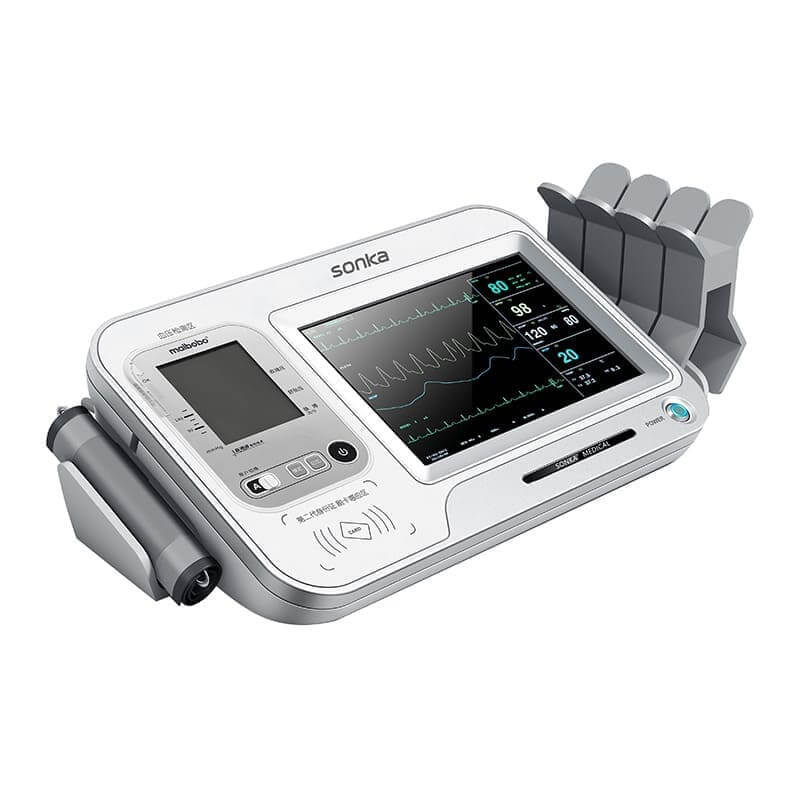
Blood pressure taken at the doctor's office often runs higher because people get nervous during checkups, something doctors call white coat hypertension. These readings can be 10 to maybe even 15 points higher than what someone would measure at home when they're relaxed. That's where smart blood pressure monitors come in handy. They let people take their own readings regularly in comfortable surroundings, which gives a better picture of normal blood pressure levels instead of just catching those momentary spikes caused by stress. Research looking at patients over time suggests this method cuts down on mistakes in diagnosis by around a quarter. When folks take readings both morning and night for several weeks straight, doctors start to see patterns throughout the day, how medications affect them, and whether high numbers stick around or just pop up occasionally. This kind of detailed information helps doctors make better decisions about treatment plans, adjust medications properly, and spot heart problems earlier, moving away from those one-time checks toward managing blood pressure in a more thoughtful, customized way.
Smart blood pressure monitors with Bluetooth capability send measurements straight to mobile apps that keep everything safe and meet HIPAA standards, storing all that info in encrypted clouds. Getting rid of those pesky manual entry mistakes means doctors can actually see what's going on with real time trends and look back at past readings whenever needed. When folks have their virtual check-ins, they just need to show these automatic reports with timestamps attached so clinicians can make quick calls about meds if numbers start drifting too far from normal ranges. What makes this whole setup so valuable is how it changes one-off checkups into ongoing tracking while letting people go about their regular routines. For anyone dealing with high blood pressure that needs constant watch, having this kind of continuous monitoring system really makes a difference in managing their health day after day.
Smart blood pressure monitors that have been tested in clinical settings play a key role in Remote Patient Monitoring programs covered by Medicare through specific billing codes like 99453 and 99454. The way these programs work financially encourages doctors to take a more active approach to managing chronic conditions. When patients send their blood pressure readings remotely, healthcare providers actually get paid to look at those numbers and step in when needed. Studies from Health Affairs back this up showing that people who participate in these monitoring programs end up in the hospital 31% less often for high blood pressure issues. And it gets better - automatic warnings when readings go out of range let medical teams act fast before things get serious. According to research from Ponemon Institute, this early detection saves around $740,000 each year for every thousand patients monitored. So we're seeing both cost savings and better health results, which explains why RPM has become such an important part of how we manage high blood pressure today.
Constant monitoring of blood pressure that has been properly validated helps catch important trends much earlier than waiting for symptoms to appear or until organs start showing damage. When doctors have access to medication records with timestamps, they can actually see if patients are taking their meds as prescribed and how those medications affect blood pressure levels. This information lets them make better decisions about changing treatment plans. Looking at data collected over months and years makes it possible to sort patients into different risk categories. Those who show big fluctuations in readings or spikes during nighttime hours get special attention and more aggressive treatment approaches. The whole approach shifts from just reacting when someone shows up at the clinic to being watchful all the time, which means changes to care happen sooner rather than later, cutting down on unnecessary trips to hospitals. Patients also benefit because they see what's happening in real time. Visual displays help them understand how their daily choices impact their blood pressure numbers, making them more involved in managing their own health.
Smart blood pressure monitors connected to electronic health records turn those random checkups into something much more valuable over time. Instead of just seeing what happened during a single visit, doctors can spot patterns that regular checks might miss completely. These trends show things like high blood pressure at night when people sleep, medications taking longer than expected to work properly, or subtle changes in blood flow before bigger problems develop. Some studies suggest that having all this info automatically in EHRs cuts down on mistakes made during diagnosis by around 30%. The system sends automatic warnings when readings seem off track and gives doctors easy-to-read charts showing how numbers change over weeks or months. This saves clinicians tons of time they used to waste collecting and making sense of disconnected measurements from different visits. Heart specialists who've switched to these full integration systems notice they adjust treatments for patients with stubborn high blood pressure about 25-30% quicker now. That kind of speed makes a real difference when trying to prevent serious complications down the road.

Copyright © 2025 by Shenzhen Sonka Medical Technology Co., Limited - Privacy policy