

Home > NEWS > Industrial News
The INBODY devices rely on multi frequency bioelectrical impedance analysis or BIA for short when measuring body composition with pretty much medical level accuracy. What happens is these machines send tiny electrical signals through electrodes placed on hands and feet across various frequencies. The way different body tissues react tells the story: muscles that contain plenty of water and electrolytes let current pass easily, whereas fatty tissue creates more resistance. The real magic comes from those changing frequencies which help spot differences between water inside cells versus what's outside them. This capability gives insights into actual cell hydration levels and overall tissue health. Compared to regular bathroom scales that only work at one frequency, this method cuts down on errors caused by temporary hydration changes. That makes long term monitoring much more dependable for people tracking their progress over time.
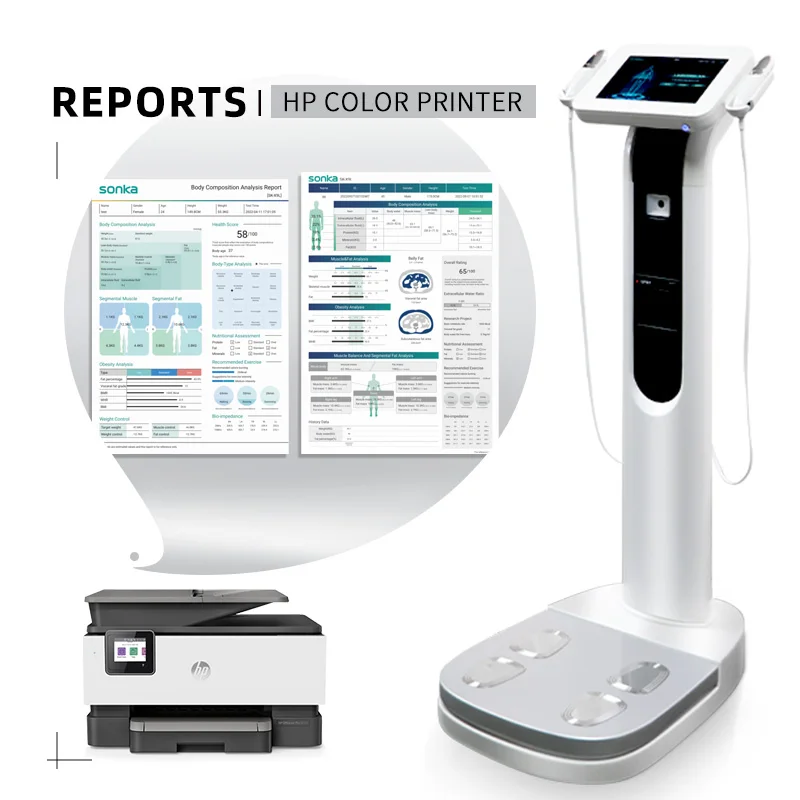
The INBODY test gives users detailed information about their body makeup beyond just numbers on a scale. It looks at things like how much muscle someone has in each arm and leg, tracks total water content, calculates body fat percentage, measures visceral fat around organs, and even determines basal metabolic rate. What sets this apart from regular body assessments is the special eight-point electrode setup that actually breaks down measurements into specific body parts rather than giving generic whole-body stats. The device also calculates phase angle, which basically tells us about cell health by looking at electrical properties of tissues. This helps understand if cells are healthy and functioning properly. Since INBODY doesn't rely solely on weight readings to determine fat-free mass, people can see exactly what's happening in their bodies when they lose or gain weight. Are those pounds coming off as actual fat? Is there more muscle building? Or maybe just water retention? That kind of clarity makes all the difference when tracking real progress over time.

Fitness experts and health practitioners go with INBODY because it delivers accurate results that hold up under scientific scrutiny. Research published in reputable journals shows the device correlates about 98% with DEXA scans, which most everyone agrees is the best method out there for measuring body composition according to a study from the National Library of Medicine last year. What makes INBODY stand out is how it works: eight touch points on the body plus multiple frequencies during the bioelectrical impedance analysis lets it measure resistance in different parts of the body separately. This helps tell apart what's happening inside cells versus outside them. Such detailed measurements matter a lot when trying not to mix things up, like telling if someone actually gained muscle after rehab or just has swelling issues. Early signs of fluid buildup problems in people managing long term illnesses can also be spotted before they become serious concerns.
The INBODY system takes all that raw data and turns it into real world applications that matter for actual clients. When looking at segmental lean mass, we can spot imbalances like how tennis players often develop bigger arms from their dominant side. This information helps create better corrective exercises tailored specifically to those needs. Another key metric is the ECW/TBW ratio which basically measures how much water sits outside versus inside our cells. If this number goes over 0.390, it might indicate problems with inflammation or fluid distribution throughout the body. That signals trainers to think about adjusting what clients eat or how they recover between sessions. Most professionals will tweak protein consumption depending on where muscle meets fat in the body, change hydration plans when there's too much extracellular water (more than 15% of total body water), or work on fixing movement issues caused by areas lacking enough lean tissue. Studies back this approach up too - people who get personalized training based on these metrics stick around 42% longer than those following standard programs according to research published last year in the Journal of Sports Science.
Segmental lean/fat reports give a much clearer picture of where muscles and fat actually live in the body compared to those generic whole-body numbers. When someone has too little lean mass in their legs or carries extra fat around the midsection, it's not just cosmetic. These imbalances are linked to problems moving properly, higher chances of developing metabolic issues, and increased risk for injuries down the road. Take athletes who show one side stronger than the other after months of training on that particular side. This kind of asymmetry usually means they've been overusing certain muscles while neglecting others, or there might be some underlying neuromuscular issues at play. Clinicians actually monitor these changes over time. For example, seeing an increase of about 1.2 kilograms in quadriceps lean mass after eight weeks of physical therapy tells them something meaningful about how well someone is recovering functionally, beyond just looking at overall weight fluctuations.
Looking at the ECW to TBW ratio gives doctors a good idea about what's going on inside cells and how balanced the body really is. If this number goes over 0.390, it usually means there's extra fluid building up outside the cells which can be linked to things like inflammation problems, trouble with insulin, or maybe even early signs of metabolic issues. When we check this alongside something called phase angle that tells us about how healthy cell membranes are, the picture gets clearer. Values under 4.5 degrees tend to show that cells aren't functioning properly, particularly if someone also has lots of belly fat or their ECW/TBW numbers keep climbing. These markers together allow healthcare providers to tell the difference between simple water retention and actual long term health problems. This helps them decide when to suggest changes in diet to reduce inflammation, recommend better movement practices, or refer patients to specialists for further testing and treatment.
Getting consistent results from INBODY tests really depends on following some basic preparation rules. People need to stay away from eating anything, drinking coffee or energy drinks, having alcohol, and doing intense workouts for at least three hours prior to the test. Also worth noting is that drinking lots of water right before shouldn't happen either. Most practitioners recommend scheduling tests first thing in the morning when possible. This helps cut down on day-to-day differences related to how hydrated someone is and their natural hormone levels throughout the day. When preparing for the actual test, make sure the electrodes stick properly to the skin, keep limbs positioned the same way each time, and check that the machine itself has been calibrated according to what the manufacturer says. Stick to all these steps and there's about a 15% drop in measurement errors. That means any changes seen over time are actually reflecting real improvements in body composition rather than just random fluctuations caused by inconsistent testing methods.
The numbers from an INBODY test really help shape what goals we set and how programs get designed. When someone shows high visceral fat levels, that usually means we need to focus on metabolic health first. Things like getting better at handling blood sugar through strength work and adjusting what they eat becomes priority number one. If there are imbalances in lean muscle distribution across different body segments, that tells us where to target our strength training efforts. For instance, people who have weak legs compared to their upper bodies often benefit from focusing on glutes and back muscles. We generally check progress again after around four to six weeks, keeping everything else consistent, so we can see how well things are working and tweak our approach if needed. Using these concrete measurements instead of just guessing or going by time frames makes clients stick with their plans about 34% more often. It turns vague ideas about getting healthier into real, trackable steps that actually motivate people to keep showing up.
BIA in INBODY devices refers to a method that sends electrical signals through the body to measure its composition, distinguishing between muscle and fatty tissues based on how electricity passes through them.
INBODY devices are highly accurate and correlate about 98% with DEXA scans, which are considered the gold standard for body composition measurement.
Yes, INBODY tests can help identify issues such as fluid retention or improper distribution by measuring the ECW to TBW ratio and phase angle, which reflect cellular health and fluid balance.

Copyright © 2025 by Shenzhen Sonka Medical Technology Co., Limited - Privacy policy