

Home > NEWS > Industrial News
Health cabins represent specially designed spaces for thermal therapy that focus on getting results safely while actually making a difference in the body. These aren't just basic saunas or steam rooms though. They combine multiple heat sources all calibrated properly inside an insulated room where the air stays exactly controlled. Think about far infrared panels working alongside steam generators and radiant heaters all contained within this climate-controlled space. The whole point is to deliver different types of heat treatment either separately or in combination as needed. What makes these cabins work so well is the gentle but effective raising of body temperature typically between 1 to 3 degrees Fahrenheit above normal levels, all while keeping humidity around 20 to 40 percent and ensuring fresh breathable air throughout. Better models come equipped with comfortable seating arrangements, lighting that follows our natural day/night cycles, and sensors that monitor oxygen levels to help maintain brain function and metabolism during sessions. All these features together really boost the production of those important heat shock proteins and activate cellular repair processes that help flush toxins out, build stronger mitochondria, and promote overall healing across the body without putting too much stress on anyone's system.
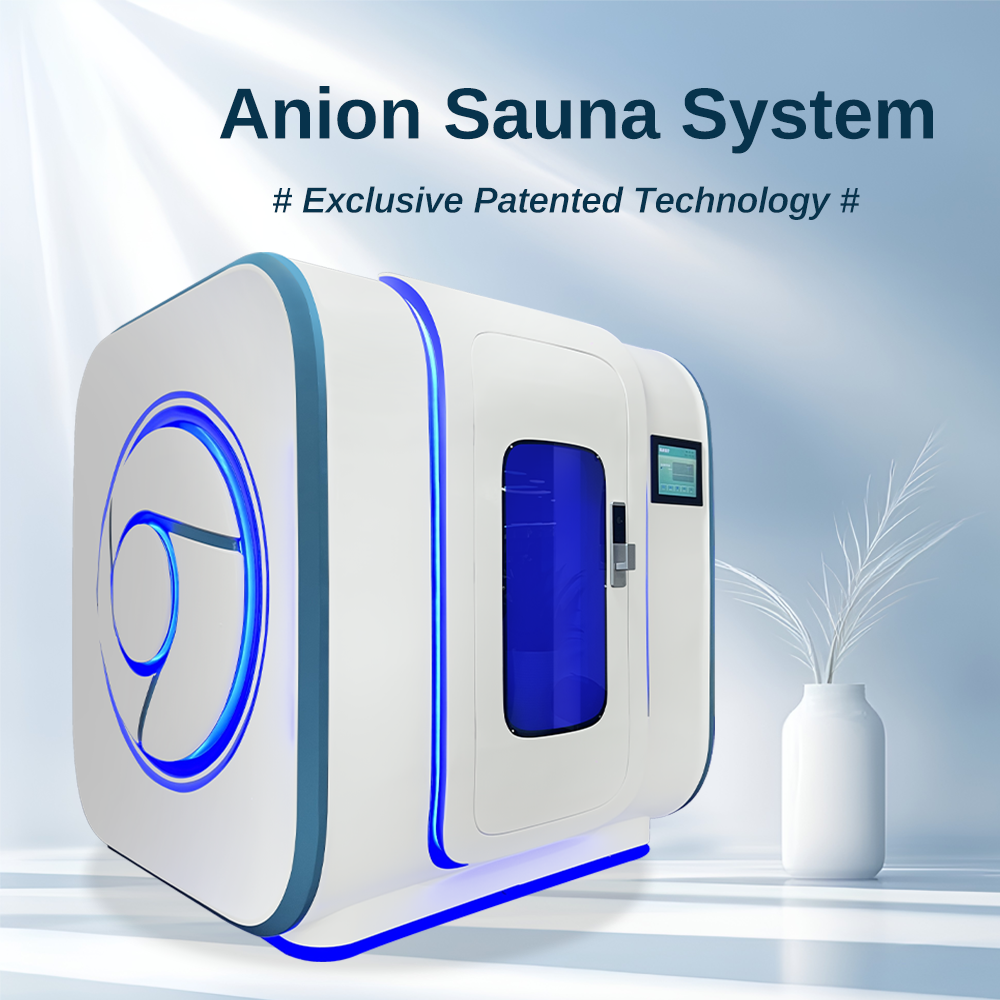
Health cabins stand apart in the world of thermal wellness because they focus on multiple modes of treatment rather than just how hot things get. Regular saunas basically just blast dry heat around 160 to 200 degrees Fahrenheit with very low humidity. Steam rooms work differently by filling the air with moisture at about 110 to 120 degrees but with nearly 100% humidity. Cold plunge tubs are all about freezing therapy. What makes health cabins special is their ability to switch between different treatments during one session. For instance, someone might start with infrared heating that goes deep into muscles, then move to steam which helps hydrate skin and lungs. These cabins also include infrared tech that most regular saunas miss out on. The infrared waves (usually between 5 and 15 microns) actually reach about 1.5 to 3 inches into soft tissues, helping blood vessels expand and cells repair themselves at a microscopic level. While other recovery methods mainly deal with cold exposure, health cabins concentrate on getting used to heat over time. This process of adapting to heat has been shown to boost stamina, strengthen heart function, and improve overall body regulation. Plus, their flexible design lets these units handle serious therapeutic conditioning beyond what people typically expect from simple relaxation sessions.
Regular use of a health cabin leverages mild hyperthermia to produce measurable, reproducible benefits across cardiovascular, musculoskeletal, and neurological domains—backed by peer-reviewed clinical research and longitudinal epidemiological data.
When people expose themselves to controlled heat, their bodies respond with several beneficial changes in the blood vessels. These include increased production of nitric oxide synthase, better functioning of the endothelium (the inner lining of blood vessels), and less stiffness in arteries. A major 20 year study in JAMA Internal Medicine found something pretty remarkable too. People who used heat therapy at least twice weekly had about 63% fewer heart attacks and other serious cardiac problems compared to those who didn't use it much. That kind of protection is similar to what happens when someone sticks with statin medication regularly. Looking at blood pressure specifically, research from the European Journal of Preventive Cardiology shows systolic readings drop around 4 to 8 mmHg after four weeks of regular heat sessions. For muscles recovering from exercise, raising core body temperature boosts blood flow to the limbs by as much as 70%. This helps flush out lactic acid and inflammation faster while getting more oxygen and nutrients to where they're needed. During recovery periods after heat exposure, growth hormone levels actually double, which supports building new collagen and activating muscle repair cells. Meanwhile, infrared heat works wonders on connective tissues, making them more elastic and reducing tightness in muscles and joints better than just plain old dry heat methods.
The way our bodies regulate temperature has a direct impact on how our autonomic nervous system functions. When someone spends time in a health cabin, their cortisol levels drop about 15 to 20 percent within just ten minutes. At the same time, serotonin and BDNF levels go up, which helps stabilize moods and supports brain cell growth. This change in balance favors the parasympathetic side of things, getting the body ready for deeper rest during non-REM sleep cycles. People who try this often notice they wake up less at night and spend more time in that deep slow wave sleep stage according to sleep studies. Looking at long term benefits, there's some interesting data too. Researchers in Finland tracked people over twenty years and found those who used saunas regularly had around two thirds less chance of developing dementia later in life. Other studies back this up by showing that when exposed to heat, the body produces HSP70 proteins that protect brain cells against harmful amyloid-beta buildup. All told, these combined effects seem to boost things like decision making skills, emotional control, and mental adaptability. These improvements can be especially helpful for folks dealing with constant stress or older adults looking to maintain cognitive abilities as they age.
Start preparing ahead of time. Drink about 16 ounces of water roughly half an hour before starting to help the body regulate temperature and maintain proper blood volume. Clothing matters too – go for loose fitting stuff made from natural fibers like cotton robes or towels. Stay away from synthetic materials since they block sweat evaporation and actually raise skin temperature. Safety comes first though. Anyone planning their first session needs to get checked out medically first. People dealing with high blood pressure that's not under control, those recovering from heart attacks, individuals with serious valve issues in the heart, pregnant women, or anyone currently battling an infection really need to wait until a doctor gives the green light. According to research published last year in the Journal of Thermal Medicine, most problems related to heat exposure happened because folks ignored these basic health warnings. So remember, real safety starts well before stepping into the heated space.
Begin with something small first. Try just five minutes at around 110 to 120 degrees Fahrenheit so the body can get used to it without causing extra stress responses. For the next ten to fourteen days, slowly add two or three minutes each time but keep the heat level the same during these sessions. Don't try to increase both time and temperature at once. When someone feels good after fifteen minutes straight, then they can start moving toward hotter temps between 130 and 150 degrees for better results overall. Research published in the International Journal of Sports Physiology and Performance found people who take things slow report about forty percent less problems such as feeling dizzy or experiencing issues standing up quickly compared to folks who jump right into long hot sessions. Stop right away and drink plenty of water if any warning signs appear:
These signals indicate exceeding individual thermal tolerance thresholds—not equipment failure—and warrant medical evaluation before resuming.
A health cabin is a purpose-built space that utilizes multiple heat sources to offer varied thermal treatments aimed at improving health and wellness.
Unlike regular saunas that focus solely on dry heat, health cabins use a combination of infrared rays, steam, and radiant heating for a controlled multi-modal therapy environment.
While health cabins offer several benefits, individuals with specific health conditions like uncontrolled high blood pressure or heart issues should consult a healthcare provider before use.
Regular use can support cardiovascular health, enhance muscle recovery, and even improve mental wellness by boosting stress resilience and cognitive clarity.

Copyright © 2025 by Shenzhen Sonka Medical Technology Co., Limited - Privacy policy