

ဆေးဘက်ဆိုင်ရာနှင့် ပတ်သက်ပါက ကိုယ်ခွက်များ အတိအကျ အလေးချိန်တိုင်းတာမှုရရှိရန်ဆိုသည်မှာ အလွန်အရေးကြီးပြီး ၎င်းသည် အထူးဒီဇိုင်းထုတ်ထားသော ဟာ့ဒ်ဝဲကိရိယာများဖြင့် စတင်ပါသည်။ ဤအလေးချိန်ချိန်စက်များသည် အတိအကျ ၀.၁% ခန့် ထိန်းသိမ်းနိုင်ရန် ဂရုတစိုက် ကယ်လီဘရိတ်လုပ်ထားသော အမြင့်ဆုံးတိကျမှုရှိသည့် လိုဒ်ဆဲလ်များကို အသုံးပြုပါသည်။ လူတစ်ဦးဦး သူတို့ပေါ်တွင် ရွေ့လျားနေစဉ်တွင်ပါ။ ပုံမှန်အလေးချိန်ချိန်စက်များတွင် တစ်ပေါင်မှ တစ်ပေါင်အထိ ကွာခြားမှုများကို ဖြစ်ပေါ်စေခဲ့သည့် အပူချိန်နှင့် စိုထိုင်းဆပြောင်းလဲမှုများအတွက် ချိန်ညှိပေးသည့် အတွင်းပိုင်းဆင်ဆာများလည်း ပါရှိပါသည်။ ဤဆေးဘက်ဆိုင်ရာ အလေးချိန်ချိန်စက်များကို ထင်ရှားစေသည့်အရာမှာ ၁၀၀ ဂရမ်အောက်ခြား တိကျမှုဖြင့် ထပ်ခါထပ်ခါ ရလဒ်များကို ပေးနိုင်စွမ်းဖြစ်ပါသည်။ ဒိုင်းအယ်လ်ဆစ်စစ် (dialysis) ကုသမှုခံယူနေသည့် သို့မဟုတ် နှလုံးပြောင်းဆိုးမှုကို စီမံနေသည့် လူနာများအတွက် ဤကဲ့သို့သော အလွန်သေးငယ်သည့် ပြောင်းလဲမှုများမှာ ဆေးဘက်ဆိုင်ရာအရ အလွန်အရေးပါပါသည်။ ၂၀၀ ဂရမ်ခန့် ကွာခြားမှုတစ်ခုတည်းကပင် ကုသမှုအစီအစဉ်များတွင် ဆရာဝန်များ၏ နောက်တစ်ဆင့် ဆုံးဖြတ်ချက်များကို တကယ်တမ်း သက်ရောက်မှုရှိနိုင်ပါသည်။ ဆေးဘက်ဆိုင်ရာအဆင့်အတန်းရှိ အလေးချိန်ချိန်စက်များသည် ပုံမှန်အိမ်သုံးအလေးချိန်ချိန်စက်များနှင့် ကွဲပြားပြီး ကြမ်းပြင်မျက်နှာပြင်ရှိ မညီမျှမှုများကို အခြေခံအားဖြင့် ဖျက်သိမ်းပေးသည့် အထူးဆိုင်ပိုင်စနစ်များကို ပါရှိပါသည်။ ထိုသို့ဖြင့် အကြိမ်ကြိမ်အသုံးပြုမှုများတွင် ၁% အတွင်းရှိ တိကျမှုကို ထိန်းသိမ်းရာတွင် ကူညီပေးပါသည်။
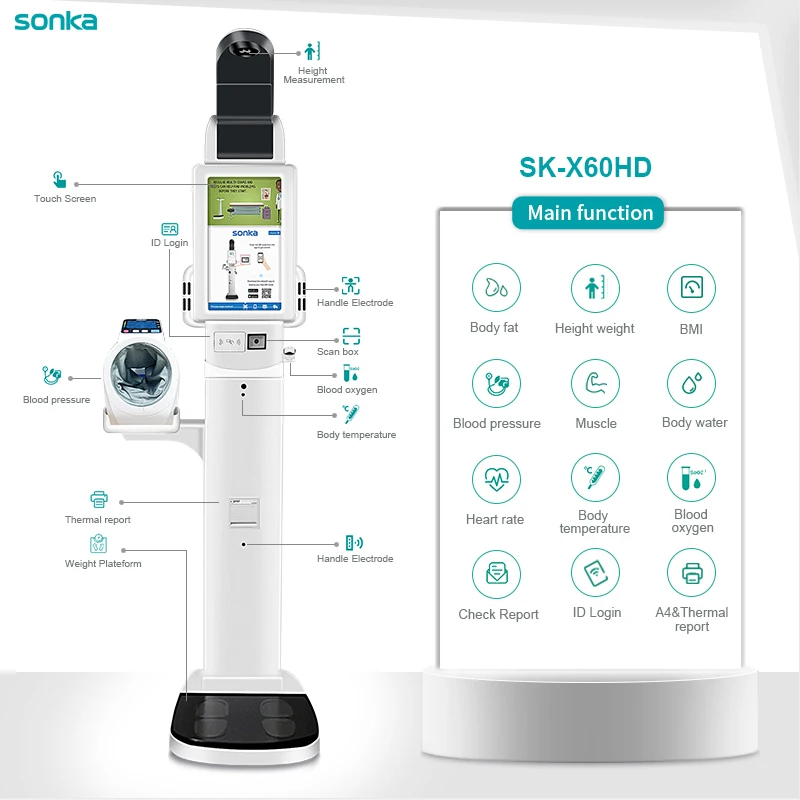
ခန္တာကိုယ်ဖွဲ့စည်းပုံ ခွဲခြမ်းစိတ်ဖြာသည့်ကိရိယာများသည် အဆီထုထည်နှင့် ကြွက်သားတစ်သျှူးများကဲ့သို့သော အပိုင်းအစများကို ခန့်မှန်းရန် မျိုးကွဲများသော မှုတ်ချောင်း ဇီဝလျှပ်စစ်ဓာတ်ပိုလိုက် (BIA) ကို အသုံးပြုပါသည်။ ဤကိရိယာများသည် ဇီဝကမ္မဆိုင်ရာ ယူဆချက်များအပေါ် အခြေခံထားသော ကိုယ်ပိုင် အယ်လ်ဂိုရီသမ်များကို အားထားပါသည်-
ဤနည်းလမ်းများကျော် အခြေခံယူဆချက်များသည် တိကျသော ခန္တာရိုပ်ဖွဲ့စည်းပုံကို တွက်ချက်ရာတွင် ကန့်သတ်ချက်အချို့ရှိပါသည်။ ယခင်က အသုံးပြုခဲ့သော မှုန်အလိုက် ဘီအိုင်အေ (BIA) နည်းလမ်းများနှင့် နှိုင်းယှဉ်ပါက မျှင်ဝါအလိုက် ဘီအိုင်အေ နည်းလမ်းသည် ဆဲလ်များအတွင်းနှင့် အပြင်ဘက်ရှိ အရည်များကို ပိုမိုကောင်းမွန်စွာ ခွဲခြားနိုင်သော်လည်း အင်္ဂါအောက်ရှိ အဆီဖြန့်ကျက်မှုနှင့် အရိုးတို့ကို တိုင်းတာရာတွင် ဒြပ်ထု X-ray စုပ်ယူမှုနည်းကျော် ရရှိနိုင်သည့် ရလဒ်များကို မမီနိုင်ပါ။ ခန္တာရိုပ်ဖွဲ့စည်းပုံ ကွဲပြားသူများတွင် ဤပြဿနာသည် ပို၍ဆိုးရွားလာပါသည်။ ဥပမာအားဖြင့် ကျောက်ကပ်ရောဂါရှိသူများတွင် ရေဓာတ်ပမာဏ ပြောင်းလဲမှုများကို အကြိမ်ကြိမ် ခံစားရပြီး ဆေးဘက်ဆိုင်ရာ စံနှုန်းများနှင့် ချိန်ညှိထားသော ကိရိယာများကို အသုံးပြုသည့်တိုင် ရေဝပ်ခြင်း ဖတ်ရှုမှုများကို ၁၅ ရာခိုင်နှုန်းအထိ မှားယွင်းစေနိုင်ပါသည်။ သေးငယ်သော အမှားအယွင်းများက လူနာများအတွက် ကုသမှုဆိုင်ရာ ဆုံးဖြတ်ချက်များကို ကြီးမားသော သက်ရောက်မှုများ ဖြစ်စေနိုင်သည့် ဆေးကုသမှုဆိုင်ရာ အခြေအနေများတွင် ဤအချက်သည် စိန်ခေါ်မှုတစ်ရပ်ဖြစ်ကြောင်း ထင်ရှားစေပါသည်။
ခန္တာတွင်းအရည်များ ရုတ်တရက်ပြောင်းလဲခြင်းကို ကိုင်တွယ်ရာတွင် အလေးချိန်တိကျစွာခြေရာခံခြင်းသည် အထူးအရေးကြီးဖြစ်ပါသည်၊ အထူးသဖြင့် ဤဟန်ချက်ပေါ်တွင် ကျန်းမာရေးမူတည်သော လူနာများအတွက်ဖြစ်ပါသည်။ ၂၀၂၀ ခုနှစ်တွင် အမျိုးကြီးအဖွဲ့အစည်း (National Kidney Foundation) မှ သုတေသနအရ ဟီမိုဒိုင်အယ်လ်စီးကုထုံးကို ခံစားနေသောလူနာများသည် ကုထုံးကြား ၂.၅% ထက်ပိုများ အလေးချိန်တက်လာပါက ၎င်းတို့၏ နှလုံးဆိုင်ရာ အန္တရာယ်များ ၃၄% ခန့်တက်လာပါသည်။ ထို့ကြောင့် ၀.၁ ကီလိုဂရမ်အတွင်းအတိအကျရရှိသော တိုင်းတာမှုများသည် ကွာခြားမှုကိုဖြစ်ပေါ်စေပါသည်။ ကင်ဆာကုထုံးပညာရှင်များသည်လည်း ကိုယ်အလေးချိန်ကျဆင်းခြင်းလက္ခဏာများ (cachexia) ကိုစောင့်ကြည့်ရန် ဤဆေးဘက်ဆိုင်ရာအလေးချိန်ခွကို အသားပေးအသုံးပြုကြပါသည်။ လူတစ်ဦးသည် တစ်လအတွင်း ၅% ထက်ပိုများ ကိုယ်အလေးချိန်ကျဆင်းသွားပါက ဆရာဝန်များသည် အာဟာရပံ့ပိုးမှုဖြင့်ချက်ချင်းဝင်ရောက်ကုသရမည်ဖြစ်ပါသည်။ ခွဲစိတ်ပြီးနောက် ဆေးရုံများသည် နေ့စဉ်ကိုယ်အလေးချိန်ကိုစောင့်ကြည့်ကြပါသည်။ အကြောင်းသည် အသေးငယ်ပြောင်းလဲမှုများမှာ အရေးကြီးဖြစ်နိုင်သောကြောင့်ဖြစ်ပါသည်။ ၂၄ နာရီအတွင်း တစ်ကီလိုမှ နှစ်ကီလိုအထိ ကျဆင်းခြင်း (သို့) တက်လာခြင်းသည် ရေဓာတ်ဆုံးရှုံးခြင်း (သို့) မလိုအပ်သောနေရာများသို့ အရည်ဝင်ရောက်နေခြင်းကဲ့သို့သော ပြဿနာများကို ညွှန်ပြနေနိုင်ပါသည်။ ကောင်းမွန်သောသတင်းသည် ခေတ်မီဆေးဘက်ဆိုင်ရာအလေးချိန်ခွများသည် အခြေအနေမကောင်းပါကပင် ယုံကြည်စွဲမှုရှိနေဆဲဖြစ်ပြီး ဗိုက်ဖောထောင်နေခြင်း (ascites)၊ ခြေလက်ဖောခြင်း (lymphedema) သို့မဟုတ် အခြားအရည်စုပ်ခြင်းများကဲ့သို့သော ပြဿနာများကို ကုသမှုပြုလုပ်နိုင်သည့်အထိ စောစီးစီးတွင် ရှာဖွေတွေ့ရှိနိုင်အောင် ဆရာဝန်များကို အထောက်ပေးနိုင်ပါသည်။
ကိုယ်အစိတ်အပိုင်းများ၏ ပမာဏပြောင်းလဲမှုသည် ကိုယ်အလေးချိန်ပြောင်းလဲမှုထက် ပိုအရေးကြီးလာသည့်အခါ bioimpedance ခန္ဒာကိုယ် ခွဲခြမ်းစီရင် (BIA) ကိရိယာများသည် အထူးအသားရှိလာပါသည်။ ဤကိရိယာများသည် တစ်ကိုယ်လုံးရှိ ကြွက်သားပမာဏ ဆုံးရှုံးမှုကို တိုင်းတာခြင်းဖြင့် sarcopenia ကို ရှာဖွေတွေ့ရှိနိုင်ပါသည်။ ၇၀နှစ်နှင့်အထက် လူများတွင် လူဦးရေ၏ ၁၅% ခန့်သည် ဤအခြေအနေကို ခံစားနေပြီး EWGSOP2 ၏ ၂၀၁၉ ရလဒ်များအရ ၎င်းသည် လဲကျခြင်းဖြစ်နိုင်ခြေကို သုံးဆတိုးမီးစေသည်။ BIA သည် နှလုံးရောဂါရှိသူများတွင် ရေဓာတ်စုပုံမှုကို ပုံမှန်စိတ်ဆေးစစ်ဆေးမှုများထက် ပိုမိုကောင်းမွန်စွာ ရှာဖွေတွေ့ရှိနိုင်ပြီး Journal of Cardiac Failure မဂ္ဂဇင်း၏ ၂၀၂၁ လေ့လာမှုများအရ တိကျမှုအဆင့်သည် ၈၉% ခန့်ရှိသည်။ ဤအချက်သည် ဆရာဝန်များအား ဆီးများစေသော ဆေးဝါးများကို သင့်တော်စွာ ညှိနှိုင်းရန် အထောက်ပံ့ဖြစ်စေသည်။ HIV နှင့်ဆက်စံလိုက်သော အဆီပြောင်းလဲမှုကဲ့သို့သော ဇီဝဖြစ်စားနှုန်းဆိုင်ရာပြဿနာများကို ရင်ဆိုင်နေသူများအတွက် BIA သည် ရိုးရိုးရေချိန်တွင် မပြသနိုင်သည့် နည်းလမ်းများဖြင့် အဆီပြောင်းရွှေ့မှုကို တကယ်တမ်း ခြေရာခံနိုင်ပါသည်။ BIA ပစ္စည်းများ၏ ပရော်ဖက်ရှင်နယ်မော်ဒယ်များသည် စျေးကွက်တွင်ရှိသော မော်ဒယ်များထက် သာလွန်ပါသည်။ အဘယ်ကြောင့်ဆိုသော် ၎င်းတို့သည် မျှော်ဖနှားများကို အသုံးပြုပြီး DEXA စကင်များနှင့် နှိုင်းယှဉ်ပါက ဆဲလ်ပြင်ပရေဓာတ်တိုင်းတာမှုများတွင် အမှားများကို ၄.၇% အောက်အထိ လျှော့ချပေးသောကြောင့်ဖြစ်ပါသည်။ ကြွက်သားအ tissue များကို ထိန်းသိမ်းရန် ရည်ရွယ်သော ကုသမှုများ သို့မဟုတ် ရောဂါရှည်ကြာစွဲမြဲနေသော ရောဂါစောင့်ရှောက်မှုတွင် ရောင်ရမ်းမှုပြဿနာများကို ဖြေရှင်းရန် စောင့်ကြည့်ရာတွင် ဤအဆင့်သော တိကျမှုသည် အလွန်အရေးကြီးပါသည်။
အများသော စားသုံးသူအသုံးပြုသည့် ခန္တာင်းအဆီခန်းတွေ့စက်များသည် မှန်ကန်သောတန်ဖိုးထက် အလွန်ဝေးကွာသော တိုင်းတာမှုရလဒ်များကိုပေးလေ့ရှိပြီး အထူးသဖြင့် အသက်ကြီးသူများနှင့် ရောဂါရှည်ကြာဖြစ်နေသူများတွင် အမှန်တကယ်ရှိသည့်အဆီပမာဏထက် ၁၂% အထိပိုများကိုပြသတတ်သည်။ ဤဖြစ်ရပ်ကို ဘာကဖြစ်စေသည်။ အကြောင်းမှာ ဤကိရိယာများသည် ကျွန်ုပ်တို့ခန္တာကိုယ်နှင့်ပတ်သက်၍ အမှန်မဟုတ်သော ယူဆချက်များကို အခြေခံ၍ တွက်ချက်မှုပြုလုပ်သောကြောင့်ဖြစ်သည်။ ၎င်းတို့၏ algorithm များအလိုကို လိုက်လျောညီထွေဖြစ်အောင် အပိုရေများကို အဆီအဖြစ် မှားယွင်းစွာ အသိအမှတ်ပြုသည်။ ထို့အပြင် ကိရိယာများ၏ လျှပ်စစ်ဓာတ်မှုတ်များကို ခန္တာကိုယ်၏ အစိတ်အပိုင်းများတွင် ရေများရှိရာနေရာကို တိကျစွာ သတ်မှတ်နိုင်သည့် နေရာများတွင် မတပ်ဆင်ထားပါ။ ထို့အပြင် အခန်းအပူချိန် သို့မဟုတ် စိုထိုင်းဆိုင်ရာအခြေအနေများကဲ့သို့ လျှပ်စစ်စီးကူးမှုကို သက်ရောက်မှုရှိသော အချက်များကို မည်သူမျှ မညှိညှိပေးပါ။ ဆေးဘက်ဆိုင်ရာအဆင့်အတန်းရှိသော ကိုယ်အလေးချိန်ခွက်များသည် ကွဲပြားခြားနားသော ဇာတ်လမ်းကို ပြောပြသည်။ ဤကျွမ်းကျင်သူများအသုံးပြုသော မော်ဒယ်များသည် တရားဝင်စံနှုန်းများနှင့် ကိုက်ညီစွဲချိန်ဆော်ခြင်းကြောင့် ၀.၁% အတိအကျရှိသော ကိုယ်အလေးချိန်ကိုပေးသည်။ ပုံမှန်အိမ်သုံးကိရိယာများသည် ထိုကဲ့သို့သော စစ်မှန်သော စမ်းသပ်မှုလုပ်ငန်းစဉ်ကို မဖြတ်သန်းပါ။ တစ်ဦးဦး၏ကျန်းမာရေးကို သူ၏ခန္တာကိုယ်အတွင်း၌ ဖြစ်ပျက်နေသည့်အရာကို တိကျစွဲသိရှိရန် လိုအပ်သည့်အချိန်တွင် ဤကွာခြားမှုသည် အလွန်အရေးကြီးဖြစ်လာသည်။ နှလုံးရောဂါ သို့မဟုတ် ပုံမှန်ဒိုင်းယာလစ်စ်လိုအပ်သူများကဲ့သို့သော အခြေအနေများကို စီမံခန့်ခွဲနေသောသူများအတွက် စားသုံးသူသုံးကိရိယာများမှ ယုံကြည်စွဲနိုင်သော ကိန်းဂဏန်းများရရှိခြင်းသည် မဖြစ်နိုင်ပါ။
ဒီဇိုင်းနှစ်ဆ X-ray စုပ်ယူမှု (DEXA)၊ ခန္တာကိုယ်ဖွဲ့စည်းပုံ အကဲဖြတ်မှု၏ ရွှေတံဆိပ်စံနှုန်း [အမျိုးသား စာကြည့်တိုက်၊ 2021] နှင့် နှိုင်းယှဉ်ပါက အဆင့်မြင့် ကုသရေးအဆင့် ဖွဲ့စည်းပုံ ခွဲခြမ်းစိတ်ဖြာမှုကိရိယာများမှာပါ ပျမ်းမျှ 4.7% အပိုင်းရာခိုင်နှုန်း အမှားယွင်းမှု (MAPE) ကို ပြသသည်။ ဤကွာဟချက်မှာ အောက်ပါ အဓိက ကန့်သတ်ချက် သုံးခုမှ ဆက်တိုက်ဖြစ်ပေါ်နေခြင်းဖြစ်သည်-
ဆေးဘက်ဆိုင်ရာ ကိုယ်ခန္တာအလေးချိန်ခွက်များသည် တိုက်ရိုက်၊ ခြေရာခံနိုင်သော အထုထည် တိုင်းတာမှုများကို ပေးဆောင်သော်လည်း ဖွဲ့စည်းမှု ခွဲခြမ်းစိတ်ဖြာမှုကိရိယာများသည် ခန့်မှန်းကိရိယာများအဖြစ် ရှိနေဆဲဖြစ်သည်။ ထို့ကြောင့် ၎င်းတို့၏ ဆေးဘက်ဆိုင်ရာ အသုံးဝင်မှုသည် အထူးသဖြင့် ဆာကိုပီးနီးယား (sarcopenia) တိုးတက်မှု သို့မဟုတ် ဇီဝကမ္မအကျိန်း (metabolic syndrome) နှင့် ဆက်စပ်သော အဆီပြန်ဖြန့်ကျက်မှုကို စောင့်ကြည့်စဉ် အပြတ်အသတ် ရောဂါရှာဖွေမှုထက် ရေရှည်တွင် စီးဆင်းမှု ခွဲခြမ်းစိတ်ဖြာမှုတွင် ပိုမို အားကောင်းပါသည်။

ကော်ပီရေတး © 2025 ရှင်းမြို့ Sonka Medical Technology Co., Limited မှ - လုံခြုံရေးမူဝါဒ