

Các Cabin Sức khỏe thay đổi cách chúng ta quản lý các bệnh mãn tính bằng việc cho phép theo dõi liên tục các dấu hiệu sinh tồn thông qua công nghệ mặc trên người và cảm biến môi trường được tích hợp sẵn. Những thiết bị này thu thập các chỉ số sức khỏe quan trọng như mức đường huyết, chỉ số huyết áp, nồng độ oxy trong máu và nhịp tim, sau đó gửi toàn bộ dữ liệu này đến các nhà cung cấp dịch vụ chăm sóc sức khỏe mỗi giờ. Thay vì chỉ khám định kỳ tại phòng khám, bác sĩ giờ đây có thể theo dõi tình trạng diễn ra theo thời gian. Điều này giúp phát hiện các xu hướng có ý nghĩa về mặt y học, ví dụ như khi huyết áp của một người tăng vào ban đêm hoặc mức glucose tăng mạnh sau bữa ăn. Đối với bệnh nhân, việc ghi chép thủ công dẫn đến sai sót được giảm đáng kể. Các bác sĩ có được dữ liệu chính xác hơn nhiều để đưa ra quyết định điều trị. Một số nghiên cứu cho thấy các hệ thống giám sát liên tục tương tự đã giúp giảm trung bình khoảng 10 điểm huyết áp tâm thu ở những người bị tăng huyết áp, theo nghiên cứu của HealthSnap năm ngoái.
Các hệ thống học máy xem xét dữ liệu đến từ các cảm biến và phát hiện những thay đổi nhỏ xảy ra trước khi các triệu chứng xuất hiện. Những thay đổi này bao gồm các hiện tượng như dao động đường huyết có thể báo hiệu một cơn hạ đường huyết sắp tới, hoặc sự thay đổi về tốc độ máu lưu thông trong động mạch, điều này có thể cho thấy động mạch bị cứng và nguy cơ đột quỵ cao hơn. Hệ thống sẽ gửi cảnh báo tự động khi các mẫu bất thường này vượt quá phạm vi bình thường mà bác sĩ xác định. Cả bệnh nhân lẫn nhà cung cấp dịch vụ chăm sóc sức khỏe đều được thông báo để có thể hành động sớm, có thể điều chỉnh thuốc men trước khi các vấn đề nghiêm trọng xảy ra. Các nghiên cứu chỉ ra rằng đối với những người có nguy cơ cao, hệ thống cảnh báo sớm kiểu này giúp giảm khoảng 38 phần trăm số chuyến đi không cần thiết đến phòng cấp cứu, theo một nghiên cứu công bố trên Tạp chí Y khoa Nội tiết JAMA năm ngoái về kết quả chăm sóc từ xa. Tuy nhiên, điều quan trọng là mọi cảnh báo do trí tuệ nhân tạo tạo ra vẫn cần được kiểm tra bởi một bác sĩ thực sự trước tiên. Việc này đảm bảo an toàn, giữ trách nhiệm ở đúng nơi và phù hợp với lợi ích tốt nhất thực tế cho tình huống cụ thể của từng cá nhân.
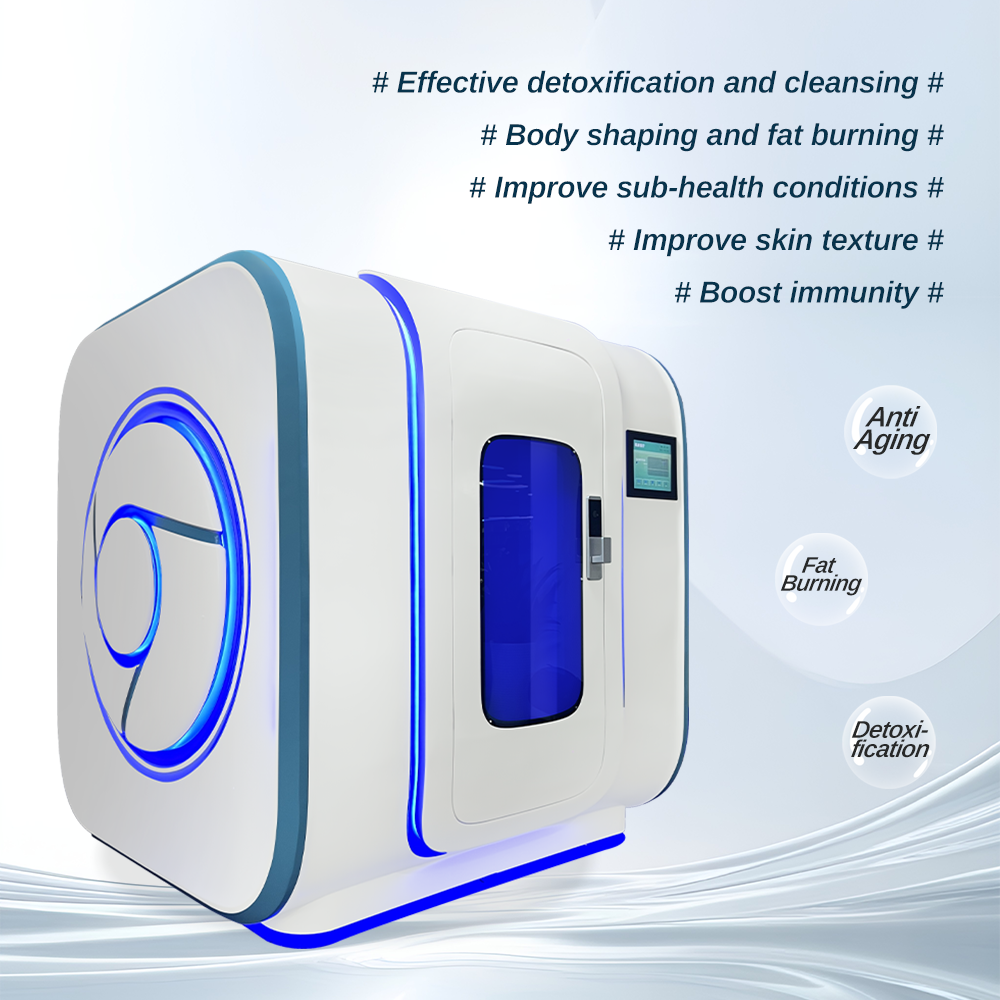
Health Cabin kết hợp các chỉ số sinh trắc học trực tiếp như sự thay đổi mức đường huyết và biến động huyết áp hàng ngày với các yếu tố ảnh hưởng đến sức khỏe vượt ra ngoài sinh học. Những yếu tố này bao gồm việc một người có tiếp cận đáng tin cậy tới các lựa chọn thực phẩm lành mạnh, nơi ở ổn định, hay phương tiện di chuyển trong thành phố hay không. Khi tất cả thông tin này được tổng hợp lại, nó cho phép xây dựng các kế hoạch chăm sóc thực sự phản ánh những gì đang xảy ra trong đời sống thực tế. Ví dụ, một người có chỉ số HbA1c tăng lên trong khi gặp khó khăn trong việc bảo quản thực phẩm tươi sống lạnh tại nhà. Hệ thống sẽ đề xuất kết nối họ với các chương trình dinh dưỡng địa phương hoặc sắp xếp việc giao bữa ăn tận cửa nhà. Các kế hoạch chăm sóc truyền thống thường cố định một lần khi đã được tạo, nhưng cách tiếp cận của Health Cabin liên tục điều chỉnh khi cơ thể và hoàn cảnh của bệnh nhân thay đổi theo thời gian. Điều này giúp việc điều trị phù hợp hơn với thực tế hằng ngày và hỗ trợ người bệnh duy trì việc quản lý tình trạng sức khỏe lâu dài sau các cuộc hẹn khám ban đầu.
Trí tuệ nhân tạo phát hiện các xu hướng và đề xuất những thay đổi có thể giúp bệnh nhân, nhưng bác sĩ mới là người đưa ra quyết định cuối cùng về những gì được thực hiện. Tất cả các khuyến nghị do thuật toán tạo ra đều cần được kiểm tra qua mắt bác sĩ trước tiên, dù đó là điều chỉnh mức insulin, tăng liều thuốc huyết áp hay đặt ra các mục tiêu hành vi mới. Những đề xuất này được xem xét và điều chỉnh dựa trên bối cảnh thực tế trước khi thực hiện bất kỳ hành động nào. Hệ thống duy trì sự tham gia của con người giúp tránh các vấn đề do quá phụ thuộc vào máy móc, đặc biệt khi xử lý các tình trạng sức khỏe phức tạp. Các bác sĩ làm việc theo cách tiếp cận kết hợp này cuối cùng thay đổi kế hoạch điều trị ít hơn khoảng 30 phần trăm so với những người làm hoàn toàn thủ công, theo nghiên cứu công bố trên Tạp chí Tin học Lâm sàng năm 2023. Điều này cho thấy khi các chuyên gia lâm sàng cộng tác hiệu quả với hệ thống AI, việc chăm sóc bệnh nhân sẽ trở nên cá nhân hóa hơn và an toàn hơn đồng thời.
Cabin Y tế kết nối các bộ phận khác nhau của hệ thống chăm sóc sức khỏe thông qua giao tiếp hai chiều với hồ sơ sức khỏe điện tử, hiệu thuốc và các mạng lưới y tế địa phương bao gồm các phòng khám đủ điều kiện theo tiêu chuẩn liên bang và dịch vụ chăm sóc sức khỏe tại nhà. Những thông tin như dấu hiệu sinh tồn theo thời gian, thuốc đã dùng trước đây và thay đổi trong kế hoạch điều trị được chuyển tự động giữa các hệ thống này, nhờ đó không ai phải nhập thủ công lại cùng một thông tin nhiều lần. Hãy hình dung một tình huống bác sĩ tim mạch điều chỉnh liều thuốc chẹn beta cho bệnh nhân. Dược sĩ sẽ nhận được hướng dẫn mới ngay lập tức, trong khi nhân viên y tế cộng đồng có thể kiểm tra mục tiêu huyết áp đã cập nhật mà không cần ai phải nhập lại. Theo nghiên cứu từ Hiệp hội Hệ thống Thông tin và Quản lý Chăm sóc Sức khỏe năm ngoái, cách tiếp cận kết nối này giúp giảm gần một nửa thời gian chậm trễ trong điều trị. Quan trọng hơn, nó ngăn chặn các trường hợp một người có thể nhận được những lời khuyên mâu thuẫn về thuốc men hoặc khuyến nghị lối sống từ các nhà cung cấp dịch vụ khác nhau ở các địa điểm riêng biệt.
Căn phòng Sức khỏe giúp mọi người quản lý sức khỏe hàng ngày với các công cụ thông minh có khả năng điều chỉnh theo thời gian, tất cả đều được xây dựng dựa trên những gì chúng ta biết về hành vi thực tế của con người. Khi nói đến thuốc men, hệ thống hoạt động cùng dữ liệu cơ thể trực tiếp để nhắc nhở một người dùng insulin chỉ khi mức đường huyết trước đó đã ở trong ngưỡng an toàn. Đối với vận động, ứng dụng đưa ra các đề xuất nhẹ nhàng về các hoạt động phù hợp với những gì người đó gần đây đã làm và sắp xếp hợp lý vào lịch trình thực tế của họ. Ngoài ra, còn có chức năng theo dõi thói quen hằng ngày, cho thấy mối liên hệ giữa các yếu tố, ví dụ như thời gian ngủ ảnh hưởng thế nào đến sự ổn định đường huyết vào ngày hôm sau. Các nghiên cứu cho thấy những tính năng như vậy hoạt động hiệu quả hơn nhiều khi chúng là một phần của hệ thống tích hợp hoàn chỉnh, đáp ứng các tiêu chuẩn lâm sàng, thay vì chỉ là các ứng dụng riêng lẻ hoặc nhật ký giấy truyền thống. Điều này đặc biệt quan trọng đối với những người đang phải đối mặt với nhiều vấn đề sức khỏe kéo dài cùng lúc.
Cabin Sức khỏe đặc biệt có lợi cho các bệnh mãn tính như tăng huyết áp và tiểu đường loại 2.
AI hỗ trợ phát hiện sớm các bất thường và gửi cảnh báo về các nguy cơ sức khỏe tiềm tàng cần được chăm sóc y tế thêm.
Có, tất cả các khuyến nghị do AI tạo ra đều được các bác sĩ lâm sàng xem xét để đảm bảo độ chính xác và an toàn trong bối cảnh cụ thể.
Có, nó kết nối liền mạch với hồ sơ sức khỏe điện tử, hệ thống nhà thuốc và các mạng lưới y tế cộng đồng.

Bản quyền © 2025 thuộc về Công ty Công nghệ Y tế Shenzhen Sonka Co., Limited - Chính sách bảo mật